

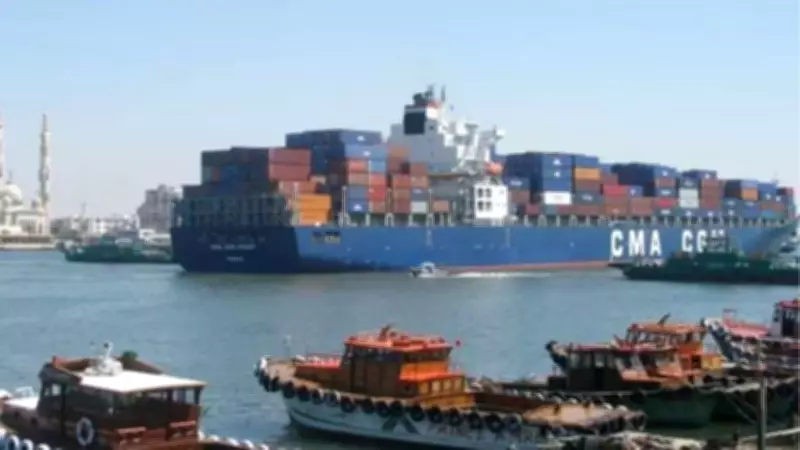
Oil Prices Surge Following US Maritime Advisory Near Iran
Global oil markets experienced a notable uptick in prices after the United States issued a cautionary advisory for vessels traveling in proximity to Iranian waters. This development has heightened concerns over potential supply disruptions in the volatile Middle East region, a key hub for global energy exports.
US Urges Vigilance for Maritime Traffic
The US government, through its maritime authorities, formally recommended that commercial and civilian ships exercise increased vigilance and adopt precautionary measures when navigating near Iran. This advisory stems from escalating geopolitical tensions and recent incidents that have raised alarms about maritime security in the area.
Analysts point out that such warnings often trigger immediate reactions in commodity markets, particularly for oil, due to the strategic importance of the Strait of Hormuz and other vital shipping lanes controlled by Iran. The region accounts for a significant portion of the world's oil shipments, making any threat to navigation a direct concern for global energy supplies.

Impact on Global Oil Markets
In response to the US advisory, benchmark crude oil prices, including Brent and West Texas Intermediate (WTI), recorded gains in international trading sessions. Market participants are closely monitoring the situation, as prolonged tensions could lead to more substantial price increases and volatility.
The price rise reflects broader anxieties about supply chain stability, with traders factoring in the risk of potential conflicts or operational delays that might constrain oil flow from the Middle East. Historical data shows that similar geopolitical events in this region have previously caused spikes in oil prices, affecting economies worldwide.
Geopolitical Context and Regional Dynamics
This maritime warning occurs against a backdrop of ongoing diplomatic strains and military posturing involving Iran and various international actors. The US has maintained a firm stance on regional security, often citing Iran's activities as a source of instability.
- Iran's strategic location along major shipping routes gives it considerable influence over maritime traffic.
- Past incidents, such as tanker attacks and seizures, have underscored the risks in these waters.
- Global powers, including the US, frequently deploy naval assets to ensure safe passage, but advisories like this signal elevated threat levels.
Experts suggest that the advisory may also be linked to intelligence reports or recent developments that have not been publicly disclosed, adding an element of uncertainty to market forecasts.
Future Outlook and Market Reactions
Looking ahead, the trajectory of oil prices will likely depend on how the situation evolves. If tensions de-escalate and maritime operations proceed without incident, prices may stabilize. However, any further provocations or security breaches could exacerbate market jitters.
- Investors are advised to monitor official statements from the US and Iranian governments for clues on next steps.
- Energy companies with exposure to the region might adjust their logistics and insurance strategies in response to the heightened risks.
- Consumers could face indirect effects through potential increases in fuel costs if supply concerns persist.
In summary, the US maritime warning near Iran has served as a catalyst for rising oil prices, spotlighting the intricate link between geopolitics and global energy markets. As stakeholders assess the implications, the focus remains on ensuring safe navigation and mitigating supply disruptions in this critical corridor.






