

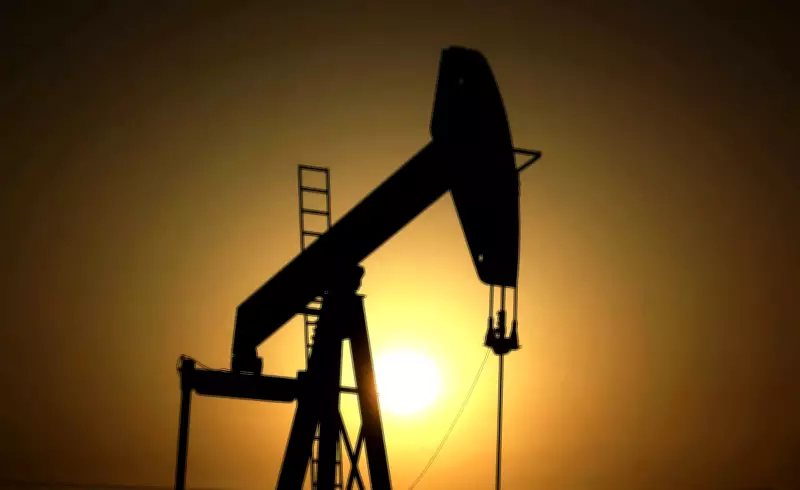
US Oil Executives Warn Trump Administration of Deepening Energy Crisis Amid Iran Conflict
Senior executives from some of America's largest petroleum corporations have issued stark warnings to officials within President Donald Trump's administration, cautioning that the energy crisis triggered by the ongoing war with Iran could intensify significantly. According to an exclusive report by The Wall Street Journal, these concerns were raised during a series of high-level meetings at the White House last Wednesday and in recent discussions with key energy officials.
Corporate Leaders Voice Grave Concerns Over Energy Security
Citing individuals with direct knowledge of the matter, the report reveals that chief executives from industry giants Exxon, Chevron, and ConocoPhillips participated in these critical conversations. The meetings involved not only White House representatives but also U.S. Energy Secretary Chris Wright and Interior Secretary Doug Burgum, highlighting the administration's recognition of the potential severity of the situation.
The timing of these warnings coincides with significant disruptions to energy shipments passing through the strategically vital Strait of Hormuz. This narrow waterway represents one of the world's most crucial oil transit routes, with any interruption to vessel passage through the channel expected to create substantial volatility in global energy supplies and market stability.

Trump's Response and International Reactions
While speaking to reporters aboard Air Force One, President Trump offered a more optimistic outlook, suggesting that oil prices would decline rapidly once the conflict subsides. "Oil prices will come tumbling down once it is over, and it will be over pretty quickly," the president asserted, attempting to project confidence amid growing concerns.
However, Trump's appeal to seven nations to deploy warships to help maintain open passage through the Strait of Hormuz has encountered resistance from Washington's traditional allies, casting serious doubt on the viability of this proposed international security plan. Earlier on Saturday, the president publicly urged multiple countries to join American efforts to secure this critical shipping route.
In a social media post, Trump wrote: "Many Countries, especially those who are affected by Iran's attempted closure of the Hormuz Strait, will be sending War Ships, in conjunction with the United States of America, to keep the Strait open and safe." He specifically mentioned China, France, Japan, South Korea, Britain, and other nations as potential contributors to this proposed naval coalition.
Escalating Economic Impact and Market Volatility
Later that same day, the U.S. president reiterated his call for international cooperation, writing: "The countries of the World that receive Oil through the Hormuz Strait must take care of that passage, and we will help — A LOT!" He further emphasized: "The US will also coordinate with those Countries so that everything goes quickly, smoothly, and well."
The economic consequences of the conflict have already become apparent in global markets. Since U.S. military operations commenced two weeks ago, worldwide crude oil prices have surged past the significant threshold of $100 per barrel. Meanwhile, domestic gasoline prices in the United States have increased by more than 70 cents per gallon, placing additional financial pressure on American consumers and businesses alike.
This confluence of corporate warnings, international diplomatic challenges, and tangible economic impacts underscores the complex challenges facing global energy security as the conflict with Iran continues to unfold. The divergence between corporate concerns about worsening conditions and presidential optimism about rapid resolution highlights the uncertainty surrounding both the military and economic dimensions of this ongoing crisis.






