Middle East's Bold Economic Transformation at Risk of Overnight Disruption
The Middle East, long synonymous with oil wealth, is undergoing a profound and ambitious economic transformation. Nations across the region are aggressively pursuing diversification strategies to build resilient, knowledge-based economies less dependent on hydrocarbon revenues. However, a new report, the Opportunity Index 2026, sounds a stark warning: this bold transformation faces a significant and looming risk of being disrupted overnight by a confluence of external and internal pressures.
The Drive for Diversification and Modernization
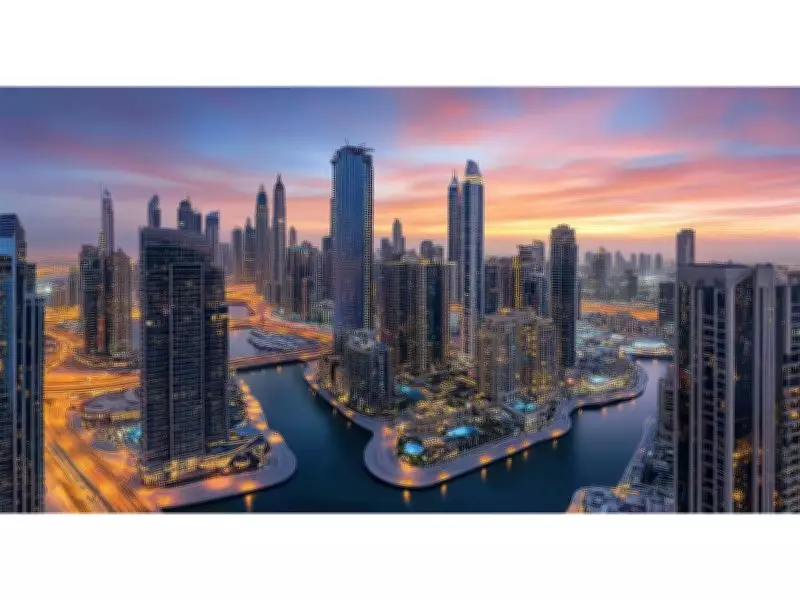
Countries like Saudi Arabia, the United Arab Emirates, Qatar, and Oman are at the forefront of this shift. They are channeling vast investments into sectors such as renewable energy, technology, tourism, logistics, and advanced manufacturing. Visionary initiatives like Saudi Arabia's Vision 2030 and the UAE's Centennial 2071 plan exemplify this long-term strategic pivot. The goal is clear: to create sustainable economic engines that can thrive in a post-oil future and provide employment for burgeoning youth populations.
Vulnerabilities Highlighted by the Opportunity Index 2026
The Opportunity Index 2026, a comprehensive analysis of global economic prospects, identifies several critical vulnerabilities that could derail this progress with startling speed. While the transformation is bold, its foundations remain exposed to sudden shocks.

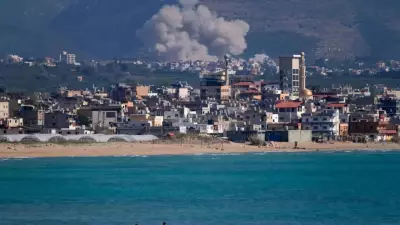
Geopolitical Instability: The region is a hotspot for geopolitical tensions and conflicts. An escalation in any existing dispute or the outbreak of new hostilities could immediately disrupt trade routes, scare away foreign investment, and destabilize financial markets, putting years of economic planning in jeopardy.
Volatility in Global Energy Markets: Despite diversification efforts, national budgets and sovereign wealth funds are still heavily reliant on oil and gas revenues. A sharp, unexpected downturn in global oil prices—triggered by a global recession or a surge in alternative energy adoption—could rapidly deplete the financial resources needed to fund these long-term transformation projects.
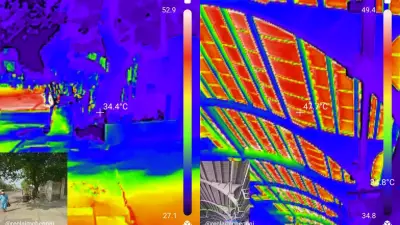
Accelerating Climate Change Impacts: The Middle East is particularly vulnerable to the effects of climate change, including extreme heat, water scarcity, and desertification. A major climate-related disaster could overwhelm infrastructure, damage key non-oil sectors like agriculture and tourism, and necessitate emergency spending, diverting funds from strategic development.
Global Economic and Technological Shifts: The pace of global change in technology and trade is relentless. A rapid shift in global supply chains, a new disruptive technology, or protectionist trade policies in key partner nations could suddenly render some of the region's new economic sectors uncompetitive or obsolete.
The Path Forward: Building True Resilience
The report suggests that for the transformation to be secure, it must evolve from being merely bold to being deeply resilient. This requires more than just investing in new industries. Key recommendations include:
- Accelerating economic integration within the region to create larger, more stable internal markets.
- Doubling down on political and diplomatic stability to create a secure environment for long-term capital.
- Investing in adaptive infrastructure and food/water security to buffer against climate shocks.
- Fostering agile policy frameworks that can quickly respond to global market disruptions.
The Middle East's economic metamorphosis is one of the most significant stories in the global economy today. The Opportunity Index 2026 does not question the vision or the initial success but issues a crucial reminder: in an interconnected and volatile world, even the most carefully laid plans are susceptible to sudden, unforeseen disruption. The next phase of the journey must focus on building shock absorbers into the very fabric of these new economies.