Pakistan's Fuel Price Hike Ignites Public Outcry in Twin Cities
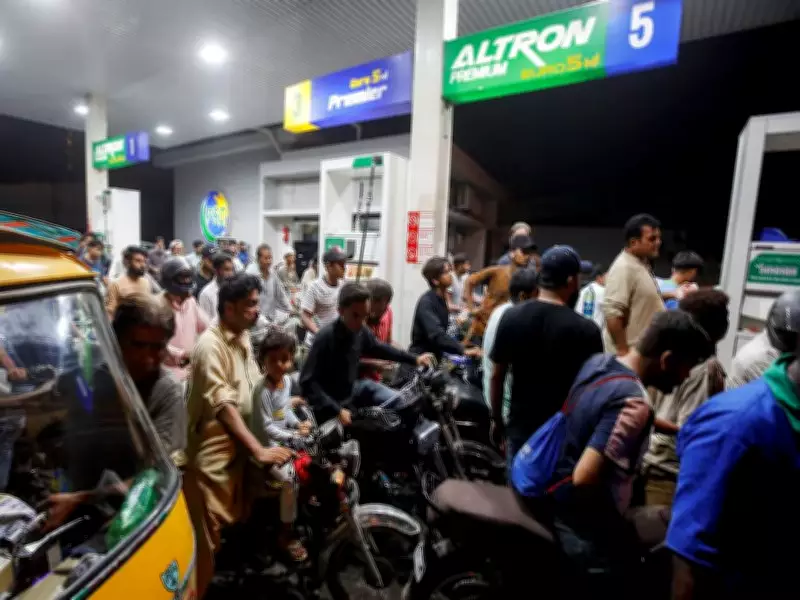
In a dramatic escalation of economic pressures, petrol prices in Pakistan have surged to an unprecedented PKR 459 per litre, triggering widespread public outcry and protests in the twin cities of Rawalpindi and Islamabad. This sharp increase has intensified the financial burden on citizens, leading to demonstrations that highlight growing discontent over the country's economic policies.
Economic Oppression and Public Response
The recent fuel price hike is seen by many as a form of economic oppression, exacerbating the already challenging cost of living in Pakistan. Protesters in Rawalpindi and Islamabad have taken to the streets, voicing their frustrations over the soaring prices that impact daily commutes, transportation costs, and overall household budgets. The protests underscore a broader sentiment of economic distress, with citizens calling for immediate government intervention to alleviate the crisis.
Key factors driving the protests include:

- Rising inflation that has eroded purchasing power.
- Increased costs for essential goods and services linked to fuel prices.
- Perceived government inaction in addressing economic hardships.
Impact on Daily Life and Economy
The petrol price surge to PKR 459 per litre has far-reaching implications beyond just transportation. It affects the prices of food, utilities, and other commodities, creating a ripple effect throughout the economy. Small businesses and low-income families are particularly hard-hit, struggling to cope with the escalating expenses. This situation has fueled public anger, with many accusing authorities of failing to manage economic stability effectively.
In response, protest organizers have demanded:
- Immediate reduction in fuel prices to provide relief.
- Transparent policies to prevent future hikes.
- Support measures for vulnerable populations affected by the crisis.
Government and International Context
While the Pakistani government has cited global oil market fluctuations and fiscal necessities as reasons for the price adjustment, critics argue that domestic mismanagement and lack of foresight have worsened the situation. The protests in Rawalpindi and Islamabad reflect a growing demand for accountability and sustainable economic planning. Internationally, such unrest highlights the challenges faced by developing nations in balancing economic reforms with public welfare.
As tensions simmer, the outcome of these protests could influence future policy decisions, with potential implications for Pakistan's political and economic landscape. Observers note that continued public dissent may pressure authorities to reconsider their approach to fuel pricing and economic governance.