Europe Confronts Escalating Fuel Crisis Amid Geopolitical Tensions
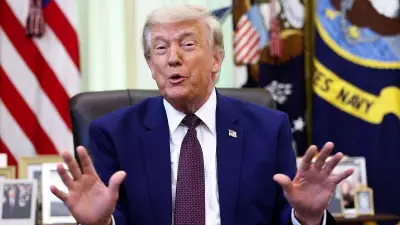
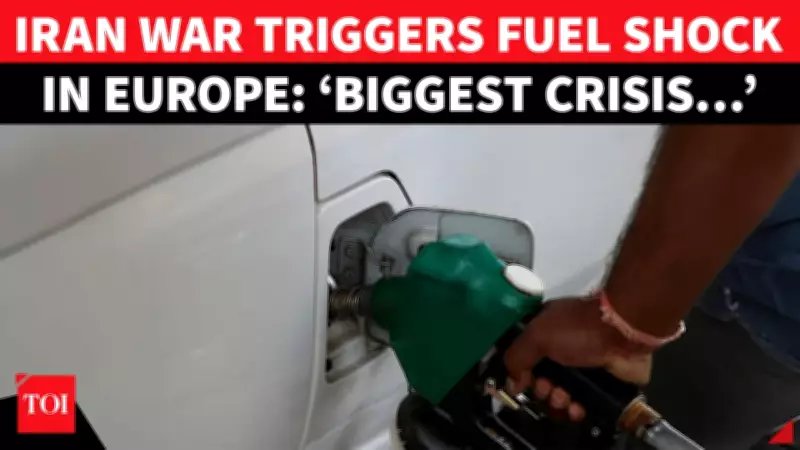
Europe is currently engulfed in a severe fuel crisis, with diesel and petrol prices skyrocketing to unprecedented levels. This alarming situation has been triggered by the ongoing war on Iran initiated by former US President Donald Trump, leading to significant disruptions in global oil supplies and market instability.
Price Hikes Across European Nations
We have conducted a detailed comparison of fuel price increases in various European countries, revealing widespread and sharp rises. Nations heavily dependent on road transport are experiencing the most severe impacts, with costs surging by double-digit percentages in many regions. The crisis is exacerbating economic pressures on consumers and businesses alike, contributing to inflationary trends.
Europe's Reliance on Roadways and Diesel Vulnerability
Europe's extensive reliance on road transportation makes it particularly susceptible to fuel price distortions. The continent's infrastructure is heavily geared towards diesel-powered vehicles, which are prevalent in both commercial and personal use. This dependency on diesel, combined with the current geopolitical turmoil, has created a perfect storm for energy insecurity.

Why Diesel Makes Europe More Vulnerable
- High Consumption Rates: Diesel accounts for a substantial portion of Europe's fuel consumption, especially in the freight and logistics sectors.
- Supply Chain Disruptions: The conflict in Iran has led to reduced oil exports, directly affecting diesel availability and pricing.
- Market Speculation: Uncertainty surrounding the war has fueled speculative trading, driving prices even higher.
Geopolitical Context and Future Implications
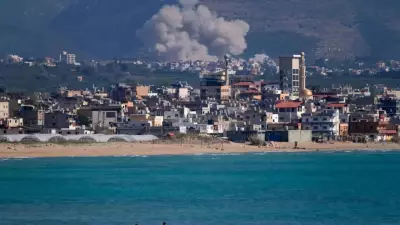
The fuel crisis is intrinsically linked to Trump's aggressive stance towards Iran, which has escalated into a broader regional conflict involving Israel and other Middle Eastern actors. This has resulted in:
- Disruptions to key shipping routes like the Strait of Hormuz, critical for oil transport.
- Increased military tensions that threaten further supply interruptions.
- Potential long-term shifts in Europe's energy policies towards greater diversification and sustainability.
As Europe navigates this challenging period, the crisis underscores the urgent need for strategic energy planning and reduced dependency on volatile global oil markets. The situation remains fluid, with experts warning of continued price volatility and economic strain if geopolitical tensions persist.