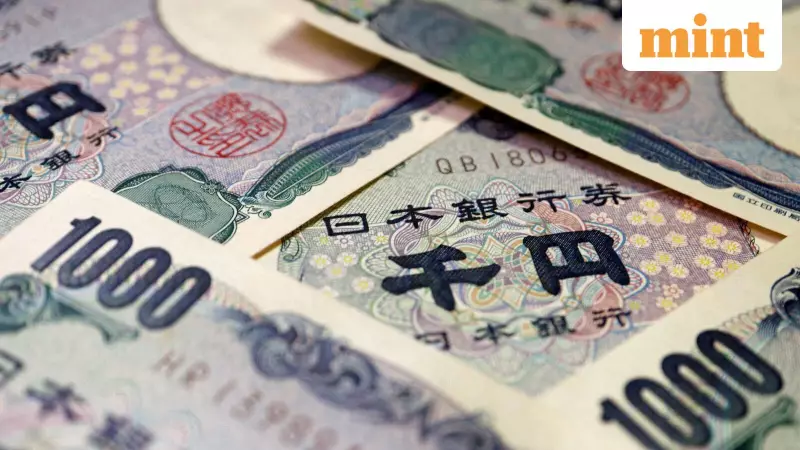
In a landmark decision that marks the end of a decades-long era of ultra-loose monetary policy, the Bank of Japan (BOJ) has raised its key policy rate. The central bank increased the benchmark to 0.75%, its highest level since September 1995. This significant hike of 0.25 percentage points was announced during the BOJ's final policy meeting of the year, setting the stage for potential volatility in world markets.
Historic Shift from Deflation Fight
For many years, Japan maintained interest rates near or below zero in a prolonged battle against deflation. This stance persisted even as other major central banks, like the US Federal Reserve, aggressively raised rates following the pandemic. However, mounting inflationary pressures and an improvement in business sentiment have finally compelled the BOJ to alter its course. This policy pivot comes despite recent data showing Japan's economy contracted at an annualised rate of 2.3 percent in the last quarter.
The Weak Yen: A Key Trigger for the Hike
A primary catalyst behind this decisive move is the Japanese yen's persistent decline. The currency has been languishing near multi-decade lows against the US dollar and other major currencies. This sustained weakness has made imports, including essential items like food and fuel, considerably more expensive for Japanese consumers and businesses. By raising interest rates, the BOJ aims to make yen-denominated assets more attractive to global investors seeking better returns. This influx of foreign capital could help strengthen the yen, alleviating some cost pressures.

Global Ripples from Japan's Policy Normalisation
The latest rate hike signals the beginning of a broader policy normalisation journey, with analysts expecting the BOJ to continue gradually raising rates into 2026. This shift carries profound implications for global financial markets. Japan has long been a colossal source of low-cost capital for investors worldwide, a dynamic known as the 'yen carry trade'. Any further tightening could therefore influence:
- Currency trends across Asia and beyond.
- Global bond markets, as Japanese investors may repatriate funds.
- Overall investor sentiment in the US, Europe, and emerging markets.
The move potentially rattles the foundation of cheap money that global markets have relied on, marking a new chapter for international finance. The world will be watching closely for the BOJ's next steps and the live impact on market dynamics.