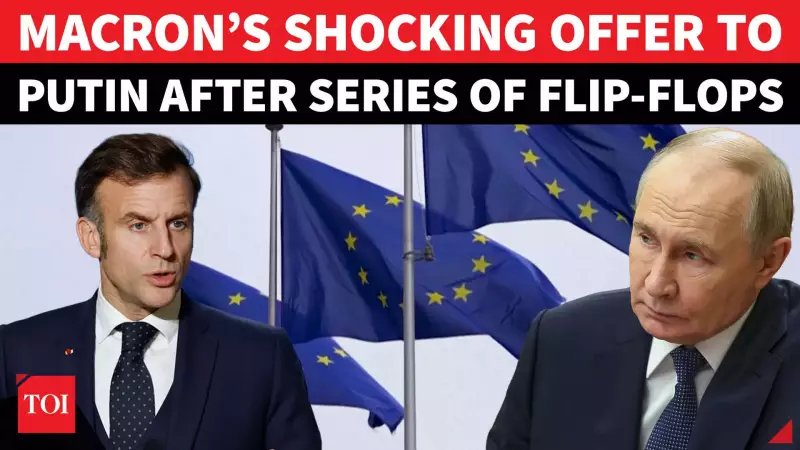
In a significant diplomatic signal, French President Emmanuel Macron has indicated that Europe should consider reopening dialogue with Russian leader Vladimir Putin. This potential shift comes on the heels of a contentious European Union summit in Brussels, where deep fractures over the bloc's strategy towards Ukraine and Russia were laid bare.
EU Summit Ends in Discord Over Funding and Strategy
The remarks from the French leader emerged after EU heads of state failed to reach a consensus on a major €140 billion plan aimed at utilizing frozen Russian sovereign assets to support Kyiv. After intense negotiations, the divided bloc could only settle on a smaller €90 billion loan package for Ukraine, to be raised from capital markets.
The summit, held in Brussels, exposed significant legal, financial, and political rifts among member states. Several nations voiced strong concerns about the legality and implications of seizing frozen Russian assets directly. Meanwhile, a faction within the EU argued for prioritizing diplomatic efforts to end the conflict rather than committing more funds for weaponry, highlighting a fundamental strategic divide.

Macron's Call for Dialogue Amid High Tensions
Against this backdrop of discord, President Macron asserted that keeping channels of communication with the Kremlin open remains essential. "We must not rule out talking to President Putin," he suggested, emphasizing that diplomacy must stay on the table even as military and geopolitical tensions with Moscow persist at a high level.
This stance represents a nuanced position, balancing the need to support Ukraine with the long-term goal of finding a diplomatic resolution. Macron's comments suggest a belief that at some future point, negotiations will be necessary, and Europe should not completely shut that door.
Implications for European Unity and War Strategy
The outcome of the Brussels summit and Macron's subsequent comments point to a challenging road ahead for European unity. The failure to agree on the larger funding mechanism using Russian assets is a blow to those advocating for a more aggressive financial stance against Moscow.
The deep divisions can be summarized in three key points:
- Financial Strategy: Disagreement over using frozen Russian assets versus raising new debt.
- Political Goal: Split between those prioritizing military victory for Ukraine and those pushing for a negotiated peace.
- Legal Hurdles: Concerns about the precedent and legality of confiscating sovereign assets.
As the war continues, Europe finds itself grappling with these internal conflicts while trying to maintain a coherent front. Macron's push for potential re-engagement with Putin, though controversial, underscores the complex reality facing European leaders as they navigate an uncertain geopolitical landscape with no clear end in sight to the conflict in Ukraine.