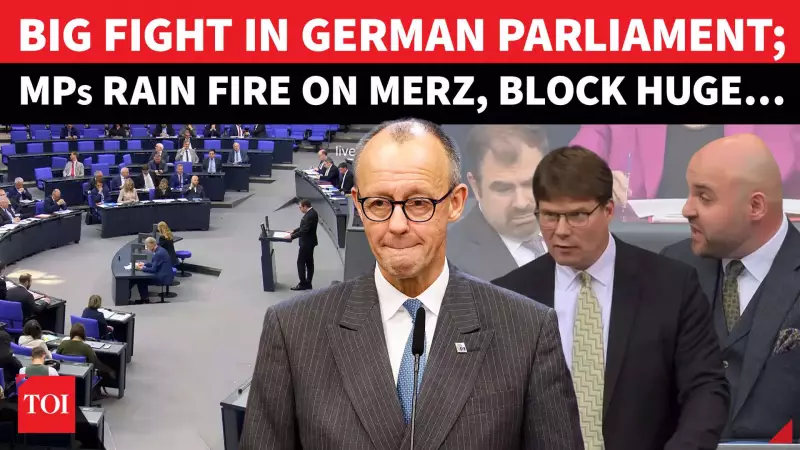
A fierce political storm has broken out in the heart of Europe, as Germany's parliament, the Bundestag, witnessed a dramatic confrontation over the European Union's controversial strategy to finance Ukraine.
AfD Lawmaker's Scathing Attack Labels Plan as 'Theft'
The session on December 19, 2025, descended into chaos following remarks by AfD lawmaker Steffen Kotre. He launched a blistering critique aimed directly at Chancellor Friedrich Merz and the broader EU leadership. The core of his attack was the bloc's proposal to tap into frozen Russian assets to generate funds for Ukraine's war effort.
Kotre did not mince words, accusing Berlin and Brussels of engaging in what he termed "theft under international law." He argued that the move to expropriate Russian funds sets a dangerous precedent and violates legal norms. Furthermore, he criticised the German and EU approach to the conflict, stating they were more focused on moralising the war rather than pursuing genuine diplomatic avenues to end the bloodshed. According to Kotre, diplomatic efforts have "completely failed."

Deepening Cracks in European Unity
This explosive parliamentary exchange is not an isolated incident but a symptom of a much deeper crisis. It highlights the significant and widening rift within Germany's own political landscape regarding support for Ukraine. The debate mirrors the larger, ongoing struggle within the European Union itself.
Once again, the EU has failed to clinch a unified deal on the mechanics and legality of using the frozen Russian assets. This failure is fuelling widespread anxiety among member states and financial institutions. The primary concerns stemming from this deadlock include:
- Potential legal backlash from Russia and challenges in international courts.
- Risks of financial instability and retaliation affecting European markets.
- An escalating political divide within key nations like Germany, threatening coherent foreign policy.
Implications for Europe's Future Stance
The furious debate in the Bundestag exposes the fragile consensus in Europe's power core. The inability to present a united front on such a critical financial and geopolitical issue undermines the EU's authority on the global stage. It signals internal discord at a time when steadfast support for Ukraine is being severely tested.
The incident underscores a pivotal moment for Chancellor Merz's government, which must now navigate intense domestic pressure while attempting to uphold European commitments. The fear of a legal and financial boomerang from the asset plan is real and is being leveraged by opposition parties to challenge the ruling coalition's strategy.
As the war continues, the question of how to fund Ukraine without fracturing European unity from within remains unanswered. The scene in the German parliament is a clear warning that the path ahead is fraught with political landmines, and the debate over Russian assets is far from settled.