

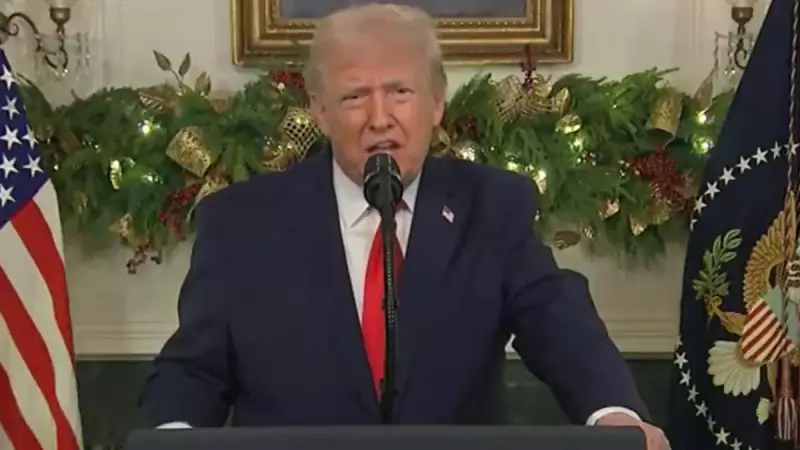
In a significant diplomatic development, leaders from across Europe have presented a united front, firmly rejecting the controversial plans reportedly formulated by former United States President Donald Trump to acquire the vast, autonomous territory of Greenland. This collective stance underscores the deep geopolitical sensitivities surrounding the Arctic region and its resources.
A Unanimous European Rejection
According to reports that emerged in early January 2026, Donald Trump, during his presidency, had directed his advisors to explore the possibility of the United States purchasing Greenland. The rationale behind this unprecedented move was believed to be strategic, focusing on the island's vast mineral resources and its growing geopolitical significance in the Arctic. However, this idea has been met with immediate and widespread disapproval from European capitals.
European Union officials and national leaders have been unequivocal in their response. They have emphasized that Greenland is not a commodity to be bought or sold. As an autonomous territory within the Kingdom of Denmark, any discussion about its future must involve the direct and sovereign will of its people. The European position firmly places the principles of self-determination and territorial integrity above any potential real estate transaction, no matter how grand in scale.

Geopolitical Implications and Strategic Concerns
The European rejection is not merely a symbolic gesture. It carries substantial weight in the complex arena of international relations. Greenland's location makes it a critical piece in the strategic puzzle of the Arctic, a region becoming increasingly important due to climate change opening new shipping routes and access to untapped natural resources.
By shutting down the notion of a US purchase, European leaders are asserting a key interest in maintaining the current geopolitical balance in the North Atlantic. They are signaling that the future of the Arctic should be governed by international cooperation and multilateral agreements, rather than unilateral land acquisitions driven by great power politics. This incident has inadvertently strengthened the consensus among European nations regarding the need for a cohesive Arctic policy.
Reactions from Denmark and Greenland
The strongest reaction, understandably, came from Denmark, which handles Greenland's foreign and defense policy. Danish officials from across the political spectrum labeled the idea as "absurd" and "completely out of the question." The response from Nuuk, Greenland's capital, was equally firm. Local politicians and representatives reiterated that Greenland is not for sale and that its future development and international partnerships are matters for its own elected government to decide.
This episode has also sparked a broader conversation within Greenland about its relationship with both Denmark and larger global powers. It has highlighted the territory's unique position and the need to carefully navigate its partnerships, whether with the European Union, the United States, or other nations like China, which has also shown economic interest in the region.
The unified European stance against Trump's Greenland plans serves as a clear reminder of the enduring importance of sovereignty and diplomacy in the 21st century. It demonstrates that even unconventional proposals from a major power like the United States can be met with a solid wall of diplomatic resistance when they challenge established international norms and the rights of local populations. The story reinforces that in today's world, strategic territories are governed by complex political agreements, not simple real estate deals.






