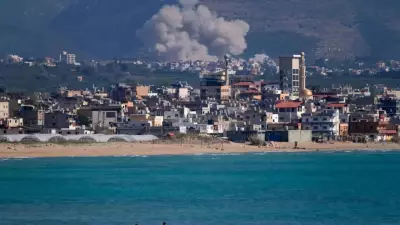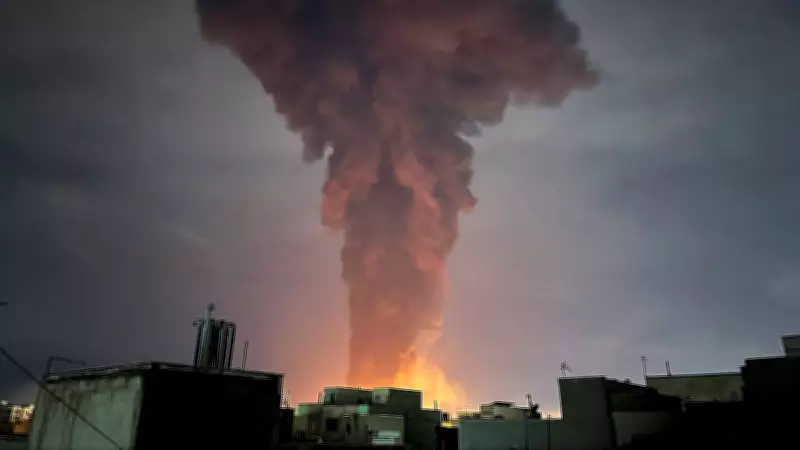
West Asia Conflict Enters Fourth Week Amid Unrelenting Missile Strikes
The ongoing military confrontation in West Asia has now extended into its fourth consecutive week, marked by relentless exchanges of missile and drone attacks across the region. Both Iran and the alliance comprising the United States and Israel have issued statements indicating their determination to continue the conflict, with no immediate signs of de-escalation.
Iran's Leadership Claims Victory Amid Continued Hostilities
In a significant development, Iran's newly appointed Supreme Leader, Mojtaba Khamenei, released a written statement asserting that Iranian forces have "defeated" their adversaries in the conflict. This declaration comes despite the continued offensive operations being conducted by the United States and Israel against Iranian targets and interests throughout the region.
The statement from Khamenei represents the first public assessment of the conflict from Iran's highest leadership position since the hostilities began three weeks ago. Analysts suggest this victory claim may be aimed at bolstering domestic morale and projecting strength internationally, even as military engagements persist.

US-Israel Alliance Maintains Offensive Posture
Concurrently, both United States President Donald Trump and Israeli Prime Minister Benjamin Netanyahu have reaffirmed their commitment to continuing offensive operations against Tehran. The alliance has maintained a steady campaign of airstrikes, missile launches, and drone attacks targeting Iranian military installations, proxy forces, and strategic assets throughout West Asia.
Military observers report that the conflict has featured:
- Sustained missile barrages launched from multiple locations
- Extensive drone warfare operations
- Targeted strikes against command and control centers
- Attacks on logistical supply lines and infrastructure
The intensity of engagements has remained consistently high throughout the three-week period, with both sides demonstrating significant military capabilities and resilience. Regional stability continues to be severely impacted, with neighboring countries reporting collateral damage and disruption to civilian activities.
Regional Implications and International Response
The prolonged nature of this conflict represents one of the most sustained periods of direct military confrontation between Iran and the US-Israel alliance in recent history. Diplomatic efforts to mediate a ceasefire have thus far proven unsuccessful, with all parties maintaining hardened positions regarding their strategic objectives and security concerns.
International organizations have expressed growing concern about the humanitarian impact of the prolonged hostilities, particularly regarding civilian casualties and displacement. The conflict has also raised alarms about potential escalation that could draw additional regional actors into the confrontation, further complicating resolution efforts.
As the conflict enters its fourth week, military analysts are closely monitoring several key indicators:
- The sustainability of current operational tempos for all parties involved
- Potential shifts in targeting strategies and tactical approaches
- Diplomatic backchannel communications that might signal willingness to negotiate
- Regional power dynamics and alignment shifts among neighboring states
The coming days will likely determine whether the conflict continues at its current intensity or sees meaningful movement toward either escalation or de-escalation, with significant implications for regional security architecture and global geopolitical stability.