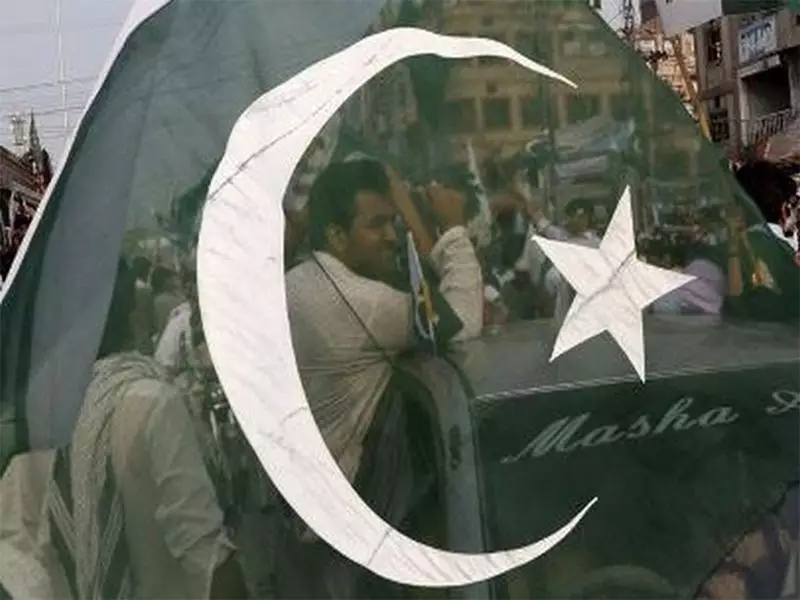
In a powerful display of public discontent, residents from Pakistan's restive South Waziristan tribal district have embarked on a long march towards the national capital, Islamabad. This mass mobilization is a direct response to the rapidly deteriorating security situation in the region, marked by a frightening resurgence of militant activities and a perceived failure of state protection.
The Spark: A Wave of Targeted Violence
The immediate catalyst for this protest was a series of brutal, targeted killings that have plunged local communities into fear. On a single day, March 21, unidentified gunmen shot dead four individuals in the Tiarza area. The victims were identified as Dr. Muhammad Amir, Noorul Islam, Muhammad Kifayat, and another person. This shocking incident is not isolated. Just days earlier, on March 18, a prominent local businessman named Sartaj Khan was gunned down in the Wana Bazaar, the region's main commercial hub.
Protesters and local leaders assert that these are not random crimes but part of a systematic campaign by militant outfits to re-establish their influence. They accuse these groups of targeting individuals associated with peace committees, former police officials, and those opposed to extremist ideologies. The atmosphere is one of pervasive intimidation, with reports of threatening letters, so-called 'death warrants,' being circulated to instill terror among the populace.

The Long March: A Journey for Justice
Frustrated by the inaction of local authorities and the federal government, the people decided to take their grievances directly to the seat of power. Organized under the banner of the Waziristan Qaumi Jirga, the long march set off from Wana, the headquarters of South Waziristan. The participants, including elders, youth, and civil society members, plan to traverse hundreds of kilometers to Islamabad to stage a sit-in until their demands are met.
Their core demands are clear and urgent:
- Immediate and effective action by security forces to dismantle militant networks operating in South Waziristan.
- The arrest and prosecution of those responsible for the recent targeted killings.
- Enhanced security measures and checkpoints to protect civilians.
- A clear strategy from the federal government to permanently address the security vacuum in the former tribal areas.
Broader Implications and Regional Context
This protest underscores a critical and ongoing challenge for Pakistan. The region of South Waziristan, part of the erstwhile Federally Administered Tribal Areas (FATA), was formally merged into Khyber Pakhtunkhwa province in 2018. This integration was meant to bring development and normalcy after years of military operations against militant groups. However, the recent violence suggests that militant elements are attempting a dangerous comeback, exploiting any perceived security lapses.
The long march places immense pressure on the government of Prime Minister Shehbaz Sharif. It highlights the gap between official claims of improved security and the grim reality on the ground. The situation also raises concerns about the stability of a region that has long been a flashpoint for conflict. The protesters' message is unequivocal: the state must fulfill its fundamental duty to protect the lives and property of its citizens, without which peace and development remain elusive.
As the marchers make their way to Islamabad, their movement is being closely watched. It serves as a stark reminder that the hard-won gains against militancy in Pakistan's tribal districts are fragile and require constant, vigilant consolidation to prevent a full-scale reversal.