

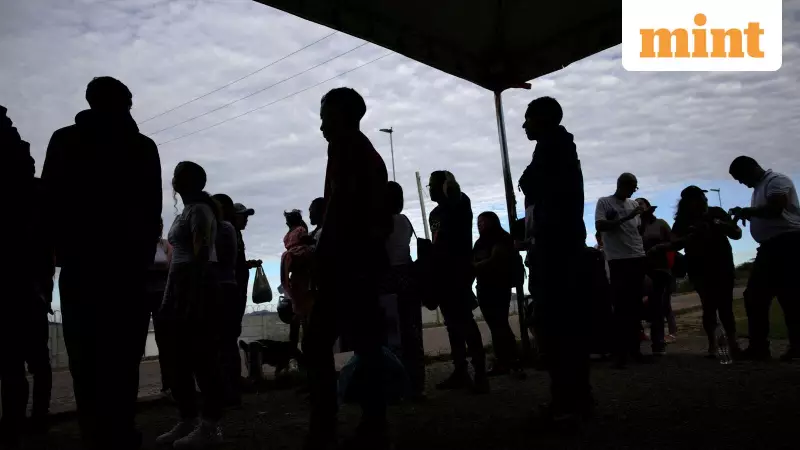
In a stark contradiction to claims of a new order, nearly 800 political prisoners continue to languish in Venezuelan prisons more than three days after President Donald Trump announced the United States would be running the country following the ouster of dictator Nicolás Maduro. This raises urgent questions about who truly holds power in Caracas.
A Promise of Control vs. a Reality of Continued Repression
On Saturday, President Trump declared at a Mar-a-Lago press conference that the US would take charge in Venezuela after deposing Maduro, who is now reportedly held in a Brooklyn jail cell. "We are going to run the country now," Trump stated. However, the continued detention of hundreds of dissidents suggests the oppressive machinery of the former regime may still be operational under Delcy Rodríguez, a key Maduro loyalist now managing affairs.
The practice of imprisoning opponents to instil fear is a hallmark of Maduro's rule. According to data from Foro Penal, a Venezuelan nonprofit monitoring political detentions, there have been a staggering 18,618 such arrests since 2014. A recent attempt to project leniency saw the regime claim the release of 99 dissidents on Christmas Day, many arrested during July 2024 election protests. Yet, in a telling move, Foro Penal recorded 10 new arrests in the week ending December 29, indicating a rapid capacity to refill prison cells.

Inhumane Conditions and Sham Justice
Accounts from families and former prisoners paint a grim picture of the conditions inside Venezuelan detention facilities. Reports consistently mention beatings, psychological torture, and severe deprivation including lack of sunlight, adequate food, and medical care. The judicial process offers little respite. Foro Penal finds that the majority of detainees have been denied even a semblance of a fair trial, with only 184 individuals formally convicted.
Perhaps most alarming is the fate of 68 dissidents whose whereabouts are listed as "unknown" after being seized by authorities—a term that often implies they may have been killed. The prisoner tally also includes 176 military personnel, whose detention is seen as a key tactic to prevent potential uprisings within barracks where support for the opposition is believed to exist. Military counter-intelligence ensures that any whisper of dissent leads to imprisonment.
Who is Really in Charge in Caracas?
The enduring reality of political imprisonment casts a long shadow over the US administration's proclamation of control. If the old regime's tools of repression—arbitrary arrests, torture, and forced disappearances—remain in active use, it challenges the narrative of a clean break. The critical question now facing the international community is whether the power in Venezuela has genuinely shifted, or if the structures of Maduro's authoritarian state are persisting under a new guise. The fate of the 800 prisoners serves as the most immediate barometer of this change.






