The United States launched a series of airstrikes against multiple Iranian military sites on Thursday, marking a significant escalation in the ongoing tensions between the two nations. The attacks come just days after the Strait of Hormuz was temporarily closed, disrupting global oil supplies and raising fears of a broader regional conflict.
Key Developments
According to Pentagon officials, the strikes targeted Iranian air defense systems, missile bases, and naval facilities along the Persian Gulf coast. The operation was described as a defensive measure to protect US assets and allies in the region.
Strait of Hormuz Closure
The Strait of Hormuz, a critical chokepoint for about 20% of the world's oil, was closed again early Thursday after Iranian forces reportedly mined the waterway. This is the second closure in a week, following an earlier incident involving a suspected drone attack on a tanker.

International Reaction
The United Nations Security Council held an emergency session, with several members calling for restraint. Saudi Arabia and the UAE have condemned the US strikes, while Israel expressed support. Russia and China urged both sides to de-escalate.
Oil Prices Surge
Global oil prices jumped by more than 8% following the news, with Brent crude trading above $90 per barrel. Analysts warn that a prolonged closure of the Strait could lead to a severe energy crisis.
Iran's Response
Iranian state media reported that their air defenses intercepted several missiles, but acknowledged some damage to military installations. Tehran vowed retaliation, stating that it holds the US responsible for any consequences.
US Military Posture
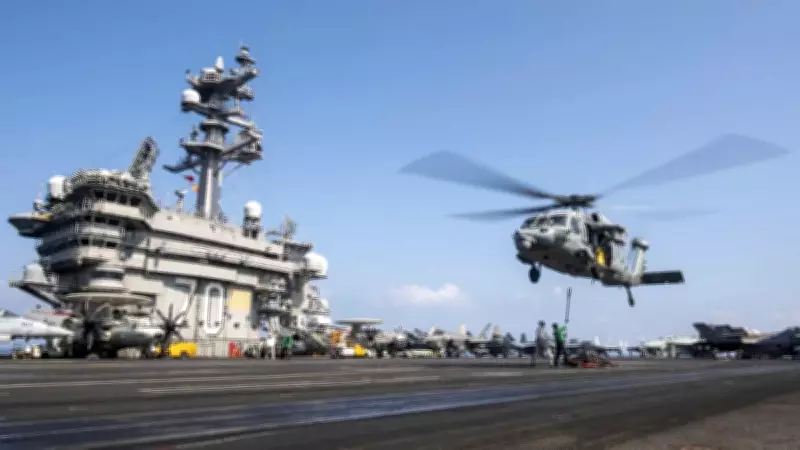
The US Navy's Fifth Fleet has been placed on high alert, and additional warships have been deployed to the region. The Pentagon stated that the strikes were limited and proportionate, aimed at degrading Iran's ability to threaten maritime security.
Diplomatic Efforts
Qatar and Oman have offered to mediate between Washington and Tehran. However, US Secretary of State indicated that negotiations would only resume if Iran halts its provocative actions.
Impact on Civilians
No civilian casualties have been reported so far, but humanitarian organizations are concerned about the potential for a wider conflict that could displace millions in the region.
Historical Context
This is the most direct military engagement between the US and Iran since the 2020 assassination of General Qasem Soleimani. The two countries have been locked in a shadow war for years, but this marks a dangerous new phase.
What's Next?
Analysts predict that the situation could spiral into a full-scale war if both sides continue to escalate. The international community is urging immediate de-escalation and a return to diplomatic channels.