US Revokes Iran Oil Waiver Following Strait of Hormuz Attacks
The United States has revoked a waiver that allowed Iraq to import electricity from Iran, citing recent tanker attacks in the Strait of Hormuz. The decision, announced by the US State Department, marks an escalation in Washington's maximum pressure campaign against Tehran.
Details of the Waiver Revocation
The waiver, which had been in place for years, permitted Iraq to purchase Iranian energy without facing US sanctions. The State Department confirmed that the waiver will not be renewed, effective immediately. This move is part of broader efforts to cut off Iran's revenue streams, particularly after a series of attacks on commercial vessels in the strategic waterway.
Impact on Iraq and Regional Stability
Iraq relies heavily on Iranian electricity imports, especially during peak summer months when demand surges. The revocation could lead to power shortages and economic strain in Iraq. Analysts warn that this may deepen Iraq's internal challenges and potentially push Baghdad closer to Tehran, undermining US goals.

Background on Strait of Hormuz Incidents
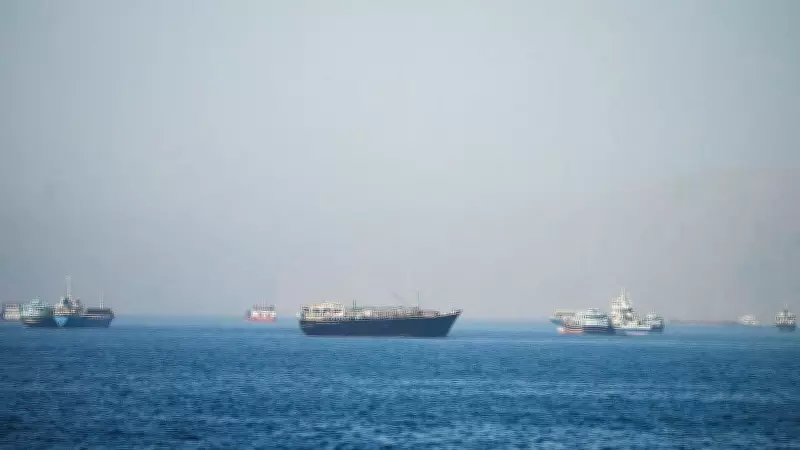
The Strait of Hormuz, a vital chokepoint for global oil shipments, has seen multiple incidents in recent weeks. Tanker attacks attributed to Iran have heightened tensions, prompting the US to tighten sanctions. The State Department stated, 'Iran's continued provocations necessitate this action to ensure maritime security and hold Tehran accountable.'
Broader US Iran Policy
The revocation aligns with the Trump administration's strategy of maximum pressure, which aims to reduce Iran's oil exports to zero. Since 2018, the US has reimposed sanctions on Iran, targeting its energy sector and banking system. The latest move is expected to further isolate Iran economically, though critics argue it risks destabilizing the region.
Reactions from Iran and Iraq
Iran condemned the decision, calling it 'economic terrorism' and urging Iraq to resist US pressure. Iraqi officials expressed concern, noting that the waiver was crucial for meeting domestic energy needs. The Iraqi government is exploring alternative energy sources, including increased imports from Gulf states and investment in domestic power generation.
Global Oil Market Implications
The Strait of Hormuz attacks have already disrupted oil markets, causing price volatility. The revocation of the waiver may tighten global supply further, especially as Iran's exports decline. According to the International Energy Agency, Iran's oil exports have fallen to historic lows, but any additional reduction could push prices higher.