In a significant expansion of its counterterrorism operations, the United States military has conducted targeted airstrikes against fighters affiliated with the Islamic State group in Nigeria. This action marks a notable shift in the geographical focus of US counterterrorism efforts in Africa, directly engaging the militant threat in West Africa.
The Operation and Its Targets
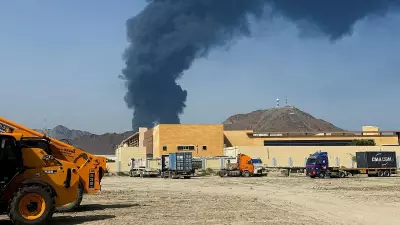
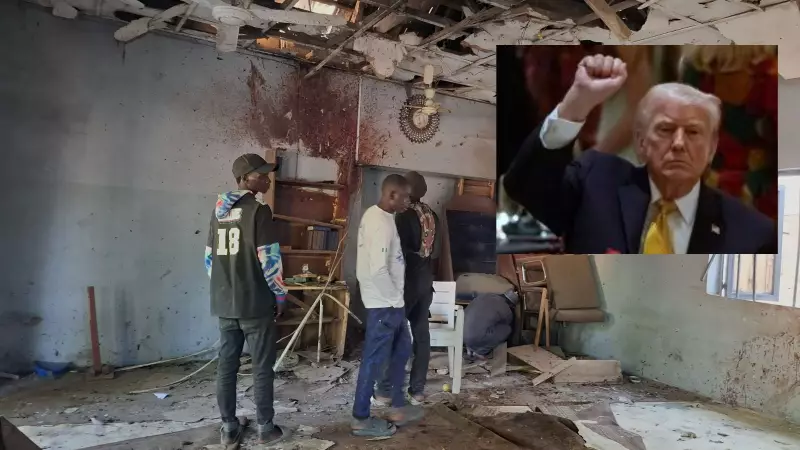
The strikes, authorized by US Africa Command (AFRICOM), took place on July 6, 2024. They specifically targeted positions held by the Islamic State West Africa Province (ISWAP), a faction that broke away from the notorious Boko Haram jihadist group. According to official statements from AFRICOM, the operation was a success, neutralizing several militants and destroying key infrastructure used by the terrorist organization.
This military intervention was not a spontaneous action. It followed a formal request for assistance from the Nigerian government, which has been grappling with a persistent and deadly insurgency in its northeastern regions for over a decade. The US emphasized that the strikes were conducted in close coordination with Nigerian authorities, underscoring a partnership approach to regional security.

Why Nigeria? The Strategic Rationale
The decision to launch strikes in Nigeria points to a growing concern within the US security apparatus about the strength and ambition of ISIS-affiliated groups in West Africa. While the US has maintained a limited military presence in the region, primarily for advisory and training roles, direct kinetic action of this scale is a recent development.
Analysts suggest the move is driven by the increasing capability and territorial control demonstrated by ISWAP. The group has proven to be a more effective and brutal adversary than its parent organization, Boko Haram, mastering complex attacks, generating revenue, and consolidating influence. The US action signals a intent to degrade the group's operational capabilities before it can establish a stronger foothold that threatens not just Nigeria, but the wider Sahel and coastal West African states.
Major General Kenneth Ekman, the director of strategy, engagement, and programs at AFRICOM, highlighted the rationale. He stated that the operation aimed to disrupt ISWAP's ability to conduct attacks against Nigerian civilians and military personnel, thereby supporting broader regional stability efforts.
Implications and the Road Ahead
This military action sets a new precedent for US involvement in West Africa's complex security landscape. It raises important questions about the future scope of American counterterrorism on the continent, especially as other global powers like Russia expand their influence through private military companies.
For Nigeria, the strikes represent both support and a challenge. While immediate pressure is relieved on overstretched Nigerian forces, the long-term solution requires addressing the root causes of the insurgency: poverty, lack of governance, and communal grievances. The US has reiterated that these strikes are part of a broader partnership that includes training, intelligence sharing, and humanitarian aid, not a substitute for a comprehensive Nigerian-led strategy.
The international community watches closely. This event may encourage other regional allies to seek similar direct military support from the US or other partners. Conversely, it could also provoke a more aggressive response from ISWAP and allied groups, leading to an escalation of violence in an already volatile region.
In conclusion, the US airstrikes in Nigeria on July 6th are more than a tactical counterterrorism operation. They are a strategic signal of Washington's willingness to engage directly with the evolving terrorist threat in West Africa, opening a new chapter in the long-running fight against the Islamic State's global network.