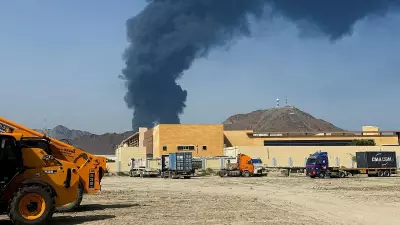
In a significant counter-terrorism operation, the United States military has successfully executed a lethal strike against fighters affiliated with the Islamic State (ISIS) in the volatile northwest region of Nigeria. The action was officially confirmed by outgoing President Donald Trump.
Trump Announces Successful Counter-Terrorism Operation
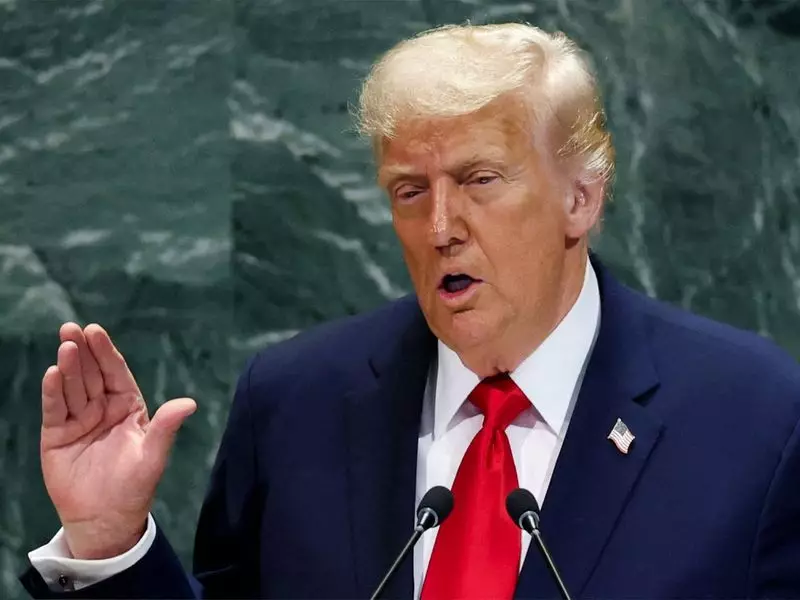
President Donald Trump publicly acknowledged the military action, stating that the United States had targeted and eliminated a group of ISIS terrorists. The strike took place in northwest Nigeria, an area that has seen a troubling expansion of jihadist activities beyond the country's more familiar northeastern conflict zones. President Trump emphasized that the operation was a clear demonstration of America's continued commitment to combating terrorism globally, even in the final days of his administration.
Details and Significance of the Strike Location
The precise location of the strike was in Nigeria's northwestern region. This geographical detail is crucial, as it marks a notable shift. For over a decade, Nigeria's brutal conflict with Boko Haram and its splinter group, the Islamic State West Africa Province (ISWAP), has been largely concentrated in the northeast. The presence and targeting of ISIS elements in the northwest suggest a worrying geographical spread of extremist influence within the country, potentially linking to other criminal and militant activities plaguing that zone.

While the exact number of casualties was not specified in the initial announcement, President Trump's wording confirmed that the strike was "deadly" and resulted in the elimination of the terrorists. The operation likely involved advanced intelligence, surveillance, and reconnaissance assets, potentially including drones, which have been a cornerstone of US counter-terrorism efforts in Africa.
Regional Security Implications and Future Outlook
This US military strike carries substantial implications for security in the Sahel and West Africa. It signals that the United States remains actively engaged in targeting transnational terrorist threats on the African continent. The operation also highlights the evolving nature of the threat, where ISIS-affiliated groups are seeking to establish footholds in new, unstable regions.
For Nigeria, the strike underscores the complex and multiplying security challenges it faces. While the Nigerian military fights insurgencies in the northeast, it also grapples with banditry, kidnapping, and communal violence in the northwest. The confirmation of an ISIS presence there by a US action will likely intensify concerns about the convergence of different militant agendas.
The move may also prompt increased international security cooperation in the region. As the Biden administration prepares to take office, such actions set a precedent for continued, if not recalibrated, US military involvement in Africa's counter-terrorism landscape. The key questions now revolve around the long-term strategy to prevent further spread and effectively degrade the capabilities of groups like ISIS in regions far from their original strongholds.