In a dramatic escalation of diplomatic tensions, Turkey has officially issued arrest warrants for Israeli Prime Minister Benjamin Netanyahu and several other top Israeli officials over alleged war crimes committed during the ongoing Gaza conflict. This bold legal move represents one of the most significant international responses to Israel's military operations in the Palestinian territory.
The Legal Action and Accusations
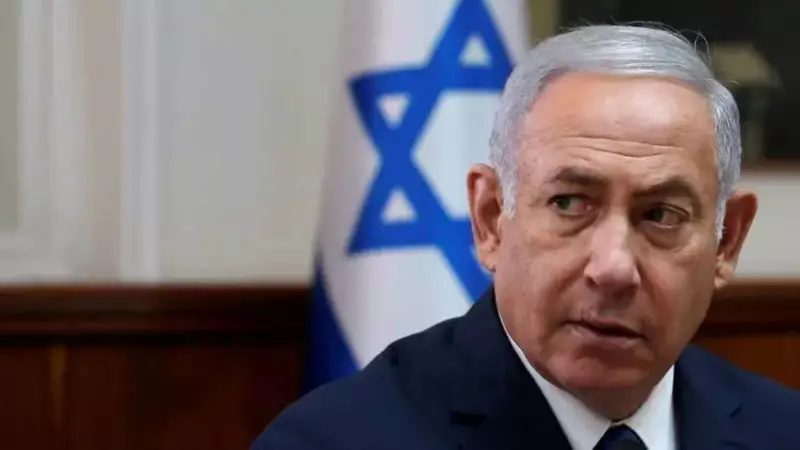
Turkish authorities have taken formal legal steps against Israeli leadership, with prosecutors in Istanbul specifically seeking the arrest of Prime Minister Benjamin Netanyahu, Defense Minister Yoav Gallant, and Israeli Army Chief Herzi Halevi. The warrants accuse these officials of direct involvement in what Turkey characterizes as war crimes and crimes against humanity during military operations in Gaza.
The investigation, launched by Istanbul's Chief Public Prosecutor's Office, focuses on multiple alleged violations of international law. Turkish officials have pointed to the high civilian death toll and widespread destruction in Gaza as evidence supporting their legal action. This development comes after months of escalating rhetoric between the two nations regarding the conflict.

International Context and Reactions
Turkey's relationship with Israel has been particularly strained since the outbreak of the Gaza war following Hamas's October 7 attacks. Turkish President Recep Tayyip Erdogan has emerged as one of the most vocal international critics of Israel's military campaign, repeatedly condemning what he describes as disproportionate use of force against Palestinian civilians.
The arrest warrants represent more than symbolic protest—they carry practical implications under international law. While the immediate practical effect may be limited given that Israeli officials are unlikely to travel to Turkey, the legal action could potentially lead to Interpol red notices and create travel complications for the named individuals in countries that might honor such warrants.
Broader Implications for International Relations
This legal maneuver significantly deepens the diplomatic rift between two former regional allies and could have far-reaching consequences for Middle Eastern politics. Turkey, which once maintained strong military and economic ties with Israel, has progressively distanced itself from the Jewish state under Erdogan's leadership, particularly regarding Palestinian rights.
The timing of these warrants coincides with growing international legal pressure on Israeli officials. Separate investigations by the International Criminal Court and International Court of Justice are also examining Israel's conduct in the conflict. Turkey's action adds substantial weight to these international legal efforts and may encourage other nations to take similar stances.
Regional analysts suggest this development could further polarize international responses to the Gaza conflict, with some nations potentially following Turkey's lead while others might view the warrants as politically motivated overreach. The situation continues to evolve as both nations navigate this new phase in their increasingly complicated relationship.