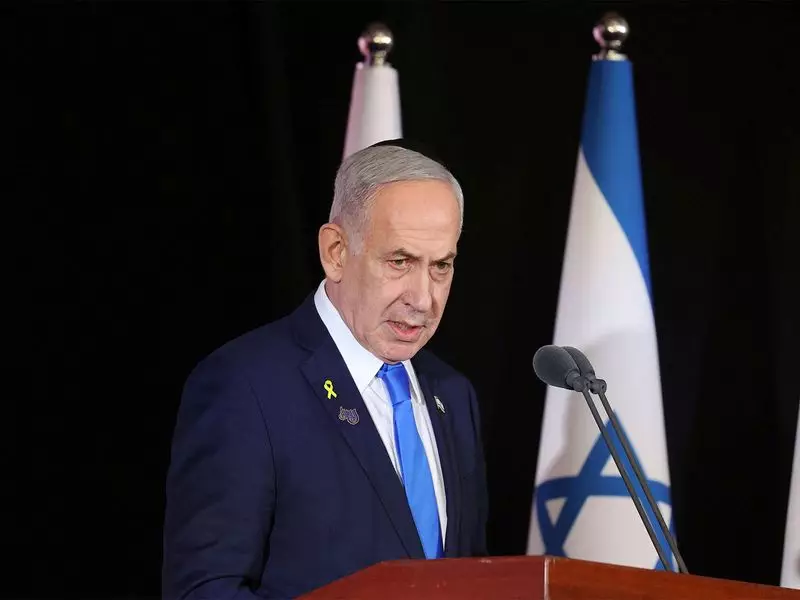
In a significant escalation of diplomatic tensions, Turkish authorities have taken legal action against top Israeli officials, including Prime Minister Benjamin Netanyahu, over alleged war crimes in Gaza. The Istanbul Chief Public Prosecutor's Office has formally issued arrest warrants targeting the Israeli leadership.
Legal Action Against Israeli Leadership
The Istanbul prosecutor has specifically targeted Prime Minister Benjamin Netanyahu, along with other high-ranking Israeli officials. This legal move represents Turkey's strongest response yet to Israel's military operations in Gaza and underscores the deteriorating relationship between the two nations.
According to official sources, the arrest warrants were issued based on thorough investigations conducted by Turkish authorities. The prosecutor's office has been examining evidence and documentation related to Israel's military actions in Palestinian territories, particularly focusing on incidents that resulted in civilian casualties.

International Law and Diplomatic Implications
This legal action places Turkey at the forefront of international efforts to hold Israeli leadership accountable for their military decisions. The warrants signal Turkey's willingness to use its judicial system to address what it perceives as violations of international humanitarian law.
The timing of this development is particularly significant, coming amid ongoing conflict between Israel and Hamas. Turkish President Recep Tayyip Erdogan has been increasingly vocal in his criticism of Israel's military strategy, positioning himself as a champion of Palestinian rights on the global stage.
Turkey has maintained diplomatic relations with Israel despite periodic tensions, but this legal action represents one of the most direct challenges to the relationship. The warrants could have far-reaching consequences for bilateral cooperation in areas including trade, security, and regional diplomacy.
Regional Reactions and Future Consequences
The issuance of arrest warrants against a sitting Israeli prime minister by a NATO member state sets a notable precedent in international relations. Legal experts are divided on the practical implications of these warrants, but agree they carry significant symbolic weight.
Regional powers are closely monitoring the situation, as this development could influence other nations' approaches to the Israeli-Palestinian conflict. The action demonstrates Turkey's determination to pursue legal avenues in international disputes, potentially encouraging similar actions from other countries critical of Israel's policies.
The warrants are unlikely to result in immediate physical detention of the Israeli officials, given the lack of extradition treaties and diplomatic protections. However, they could restrict the officials' ability to travel internationally and represent a substantial diplomatic embarrassment for the Israeli government.
This legal maneuver occurs against the backdrop of shifting alliances in the Middle East, with Turkey seeking to assert its influence and moral authority in the Muslim world. The action aligns with Erdogan's broader foreign policy objectives and his government's positioning on Palestinian issues.
As the situation develops, international legal experts are examining the potential long-term implications for international law and the accountability of government leaders during armed conflicts. The case may establish important precedents regarding the extraterritorial application of national laws to foreign leaders.