The highly anticipated peace negotiations between the Taliban and Pakistan concluded without resolution in Istanbul this week, marking a significant setback for regional stability efforts. The talks, which aimed to address escalating cross-border tensions, ended in a complete deadlock, prompting a stern warning from the Afghan Taliban leadership toward their Pakistani counterparts.
Diplomatic Breakdown in Istanbul
The Istanbul talks, which took place earlier this week, represented a crucial diplomatic initiative to ease the growing friction between Afghanistan's ruling Taliban and Pakistan's government. Multiple sources confirmed that the discussions concluded without any agreement or joint statement, highlighting the deep divisions between the two neighboring nations.
According to officials familiar with the negotiations, the primary sticking points included Pakistan's ongoing concerns about terrorist safe havens in Afghanistan and the Taliban's demands for Pakistan to cease what they describe as "interference" in Afghanistan's internal affairs. The atmosphere grew increasingly tense as both sides refused to compromise on their core positions.

Taliban's Strong Warning to Pakistan
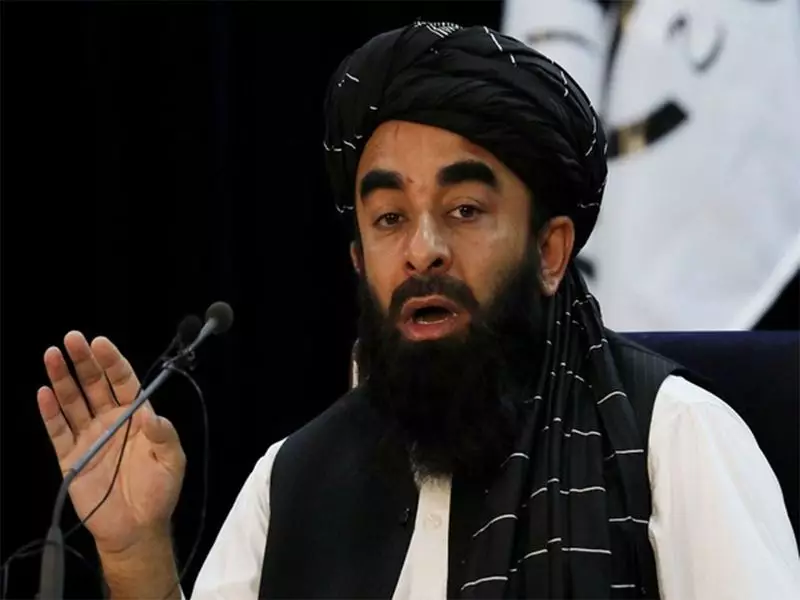
Following the collapsed talks, Taliban spokesperson Zabihullah Mujahid issued a direct warning to Pakistani authorities. Mujahid emphasized that Pakistan should not blame Afghanistan for its own security failures and criticized what he characterized as attempts to make Afghanistan a "scapegoat" for Pakistan's internal security challenges.
The Taliban spokesperson specifically addressed recent statements from Pakistani officials who had accused Afghanistan of providing shelter to militants responsible for attacks in Pakistan. "We have repeatedly stated that the Islamic Emirate does not allow anyone to use Afghan soil against other countries," Mujahid stated, using the Taliban's preferred name for their government.
Regional Implications and Future Prospects
The failure of the Istanbul talks has significant implications for regional security and diplomacy. This diplomatic deadlock occurs amid increasing cross-border incidents and escalating rhetoric between the two nations. Pakistani security forces have reported multiple attacks originating from the Afghan border region, while the Taliban has complained of unauthorized incursions by Pakistani military aircraft into Afghan airspace.
Regional analysts express concern that the breakdown in dialogue could lead to further deterioration in Afghanistan-Pakistan relations. The absence of a communication channel between the two governments raises the risk of miscalculation and potential escalation of existing conflicts along their shared border.
The international community, particularly neighboring countries and major powers with interests in the region, are closely monitoring the situation. Many had hoped the Istanbul talks would establish a framework for ongoing dialogue and confidence-building measures between the Taliban administration and Pakistani government.
With this latest diplomatic failure, the prospects for near-term reconciliation appear dim. Both sides seem entrenched in their positions, and no future talks have been scheduled as of now. The deadlock in Istanbul represents another challenge for the Taliban as they seek international recognition and for Pakistan as it confronts ongoing security threats along its western border.