
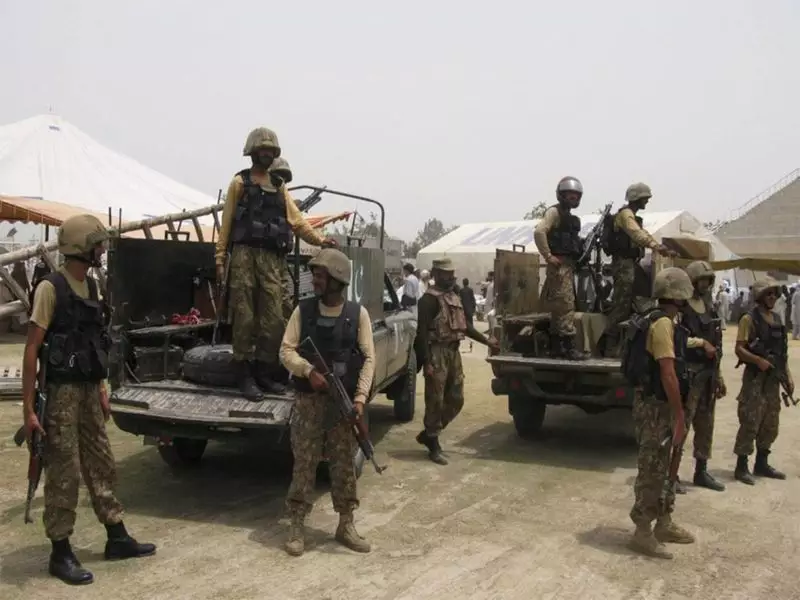
In a significant escalation of diplomatic tensions, Afghanistan's Taliban government has publicly accused the Pakistani military of deliberately creating instability along their shared border. The allegations emerged through an official statement from Taliban spokesperson Zabihullah Mujahid, marking one of the most direct confrontations between the neighboring nations since the Taliban returned to power.
Official Allegations and Military Tensions
The Taliban administration specifically charged that Pakistani military authorities are using manufactured pretexts to justify cross-border attacks and fuel regional instability. According to Mujahid's statement, these alleged actions represent a deliberate attempt to create chaos and undermine security in the border regions that have long been a flashpoint between the two countries.
This public accusation comes amid increasing reports of military confrontations along the Durand Line, the contentious border separating Afghanistan and Pakistan. The Taliban spokesperson emphasized that such actions violate international norms and principles of good neighborly relations, suggesting that Pakistan is pursuing its own political agenda through military means.
Context of Deteriorating Relations
The relationship between Afghanistan and Pakistan has been steadily deteriorating despite initial expectations that the Taliban's return to power might strengthen ties between the two neighbors. Instead, border skirmishes and diplomatic spats have become increasingly frequent, with both sides trading accusations of supporting militant groups operating across their shared frontier.
Pakistan has repeatedly claimed that terrorist groups are using Afghan territory to launch attacks against Pakistani security forces and civilians. However, the Taliban government has consistently denied these allegations, countering that Pakistan's own internal security challenges are being wrongfully blamed on Afghanistan.
The current public accusation represents a significant shift in the Taliban's diplomatic approach, moving from private complaints to open condemnation of Pakistan's military establishment. This development suggests a hardening of positions that could have serious implications for regional security and diplomatic relations.
Potential Regional Consequences
This escalating conflict between the Taliban government and Pakistani military threatens to destabilize an already volatile region. The open nature of these accusations indicates that diplomatic channels may be failing to resolve underlying tensions, raising concerns about potential further military escalation.
Regional powers and international observers are closely monitoring the situation, given the potential for broader regional implications. The conflict could impact counter-terrorism efforts, regional trade, and humanitarian situations in border areas where communities have long suffered from cross-border tensions.
The Taliban's decision to publicly accuse the Pakistani military of manufacturing pretexts for instability represents a calculated diplomatic move that could either force Pakistan to the negotiating table or further deepen the rift between the two neighbors. The international community now watches anxiously to see how Pakistan will respond to these serious allegations and whether diplomatic solutions can prevent further deterioration of relations.