Taiwan's military forces were on high alert after detecting a notable surge in Chinese military movements close to its territory. The Ministry of National Defence in Taipei reported tracking multiple People's Liberation Army (PLA) assets operating in the vicinity of the island nation.
Details of the Military Movements
According to an official statement released on Monday, Taiwan's defence apparatus successfully monitored five Chinese military aircraft and eight naval vessels operating around Taiwan. This activity was recorded over a 24-hour period leading up to 6 a.m. on that day. The ministry clarified that one of the PLA ships was detected navigating in waters to the north-east of the island.
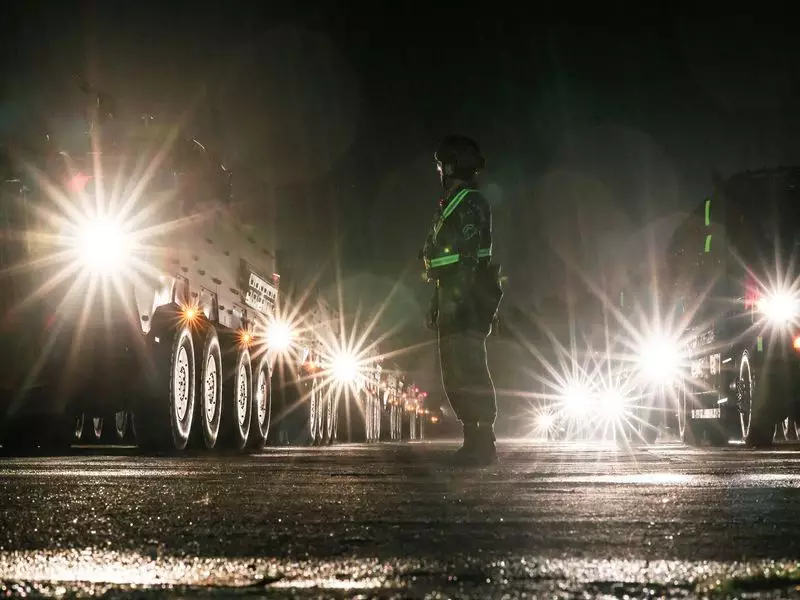
In response to this incursion, Taiwan's armed forces closely watched the developments. They deployed appropriate forces to shadow the movements and activated land-based missile systems to maintain a state of readiness. This protocol is part of Taiwan's standard procedure for such situations, aimed at ensuring national security and stability in the region.

Pattern of Pressure and Taiwan's Stance
This recent event is not an isolated incident but fits into a broader pattern of increased pressure from Beijing. China has consistently conducted such military manoeuvres around Taiwan, which it claims as its own territory despite the island's firm stance on its de facto independence. Taiwan's government has repeatedly emphasised that these actions do not contribute to regional peace and only serve to escalate tensions.
The Ministry of National Defence in Taipei remains vigilant. It has committed to continuing its monitoring of such activities and to issuing timely updates to the public. The primary goal, as stated by the ministry, is to safeguard Taiwan's freedom and democratic way of life against any potential threats.
Regional Implications and Ongoing Vigilance
The consistent presence of Chinese military assets in and around the Taiwan Strait represents a significant point of friction in Indo-Pacific security dynamics. These actions are viewed by Taiwan and its international partners as destabilising. The situation demands constant vigilance from Taiwan's defence forces, who must balance a robust defensive posture with the need to avoid accidental escalation.
As of the latest reports, Taiwan's military continues its surveillance missions. The ministry's public disclosure of these incidents serves both as a transparency measure for its citizens and a signal to the international community regarding the ongoing challenges it faces. The defence of Taiwan's sovereignty and the maintenance of peace in the strait remain the central pillars of its strategic response to such provocations.