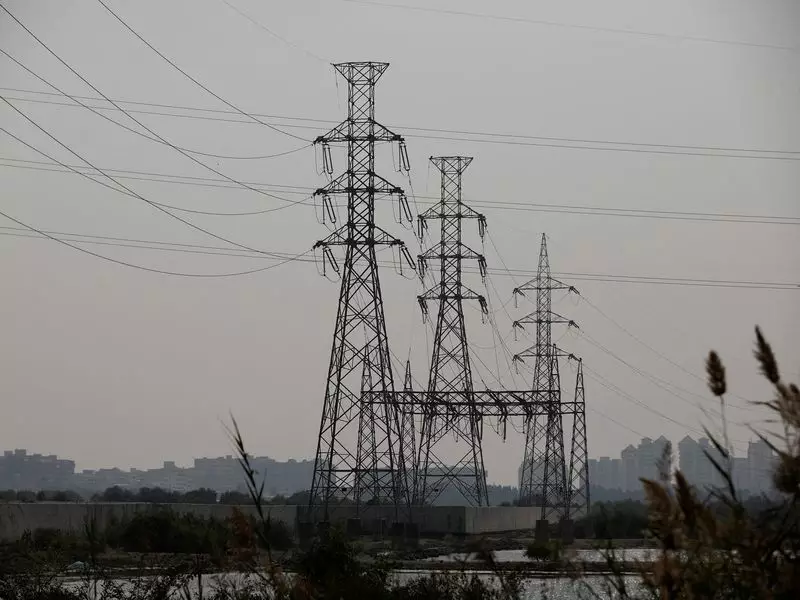
Residents of Afghanistan's capital, Kabul, are grappling with a severe and deepening crisis as prolonged power cuts plunge the city into darkness and cold during the harsh winter months. The outages, stretching up to 12 hours daily, have disrupted lives, shuttered businesses, and compounded the economic struggles in a nation already facing immense humanitarian challenges.
The Crippling Reality of Daily Blackouts
The state-owned power utility, Da Afghanistan Breshna Sherkat (DABS), has implemented a strict rationing schedule, dividing the city into zones that face scheduled blackouts. For many, the lack of electricity is not merely an inconvenience but a threat to their livelihood and survival. The cuts have rendered electric heaters useless, forcing families to huddle around traditional wood-burning stoves, known as bukharis, if they can afford the increasingly expensive fuel.
Local shopkeepers and business owners are among the hardest hit. Small enterprises that rely on refrigeration or electrical equipment are facing significant losses. "My shop is closed most of the time because there is no electricity," shared Ghulam Mohammad, a local baker, highlighting the direct impact on commerce and employment. The situation has turned daily routines into a constant struggle, with people unable to perform basic tasks or keep their homes warm.

Root Causes of the Energy Shortage
The crisis stems from a complex web of financial, political, and infrastructural issues. A primary factor is Afghanistan's heavy reliance on imported electricity, particularly from neighboring Central Asian nations like Uzbekistan and Tajikistan. DABS officials have cited a staggering $62 million debt owed to these suppliers as a major reason for the reduced power imports.
Furthermore, domestic power generation has failed to fill the gap. Key hydroelectric dams, such as the Naghlu dam located east of Kabul, are operating far below capacity. The reasons are twofold: a severe drought has reduced water levels, and critical maintenance work and repairs have been stalled due to a lack of technical expertise and funding since the change in government in August 2021.
Human Cost and a Bleak Outlook
The consequences of the blackouts extend beyond economic hardship, posing serious risks to public health and well-being. The inability to heat homes adequately exposes vulnerable populations, including children and the elderly, to freezing temperatures. Hospitals and medical facilities are forced to rely on expensive and unreliable backup generators, jeopardizing essential healthcare services.
Despite acknowledging the problem, DABS has offered little hope for immediate improvement. The utility has stated that the rationing is necessary to manage the limited available supply and prevent a complete grid collapse. With international aid frozen and the Taliban administration struggling to stabilize the economy, solutions to the energy deficit appear distant. For the people of Kabul, the winter promises only more darkness and deepening hardship, as the power crisis becomes a stark symbol of the country's broader struggles.