In a dramatic escalation that threatens to fracture a key alliance, Saudi Arabian fighter jets have conducted airstrikes against forces aligned with the UAE-backed Southern Transitional Council (STC) in Yemen. The incident, reported on December 26, 2025, marks a significant rupture in the coalition that has fought Iran-backed Houthi rebels for a decade.
Strikes in Hadramout: The Immediate Trigger
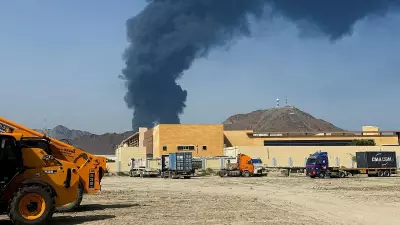
The Saudi air raids targeted positions in Yemen's Hadramout governorate. This military action came as a direct response to recent advances made by the separatist fighters into southern territories and alleged ambushes by armed groups. These confrontations on the ground resulted in two fighters dead and twelve others wounded, setting the stage for the aerial retaliation.
The Southern Transitional Council, which seeks the secession of South Yemen, has publicly accused Saudi Arabia of launching these attacks. This accusation highlights the deepening fissures between the two nominal allies, Saudi Arabia and the United Arab Emirates, who have both been leading players in the military intervention against the Houthis since 2015.

A Coalition Under Strain: Saudi and UAE Rivalry
This escalation fuels long-simmering tensions between Riyadh and Abu Dhabi, complicating the already protracted war. While both nations share the goal of countering Houthi influence, their support for different local factions has often put them at odds. The UAE has been a primary backer of the STC and other southern separatist groups, viewing them as a more stable long-term counterweight to the Houthis and Islamist factions.
In a show of defiance, separatist supporters have also rallied in the port city of Aden, the STC's de facto capital, pushing forward their agenda for an independent South Yemen. These developments occur even as Saudi Arabia continues its own mediation efforts, attempting to broker a unified front—a task that now appears more daunting than ever.
Broader Implications for Yemen and Regional Stability
The internal fighting between coalition partners poses a severe risk of wider instability. It diverts resources and attention from the primary conflict with the Houthis in northern Yemen, potentially allowing the rebel group to consolidate power or launch new offensives. Analysts warn that this crack in the alliance could lead to a multi-front war within the already shattered country.
The decade-long fight in Yemen has been widely described as a proxy war between regional powers, with Saudi Arabia and the UAE leading a coalition against the Houthis, who are supported by Iran. This latest incident suggests the proxy dynamics are becoming even more complex, with allies now turning their fire on each other's proxies.
The situation underscores the fragile nature of the alliances that have shaped the Yemen conflict. As Saudi airstrikes target UAE-backed forces, the path to any lasting peace in Yemen seems to have grown considerably longer, raising alarming questions about the future of the region and the humanitarian crisis that continues to unfold.