

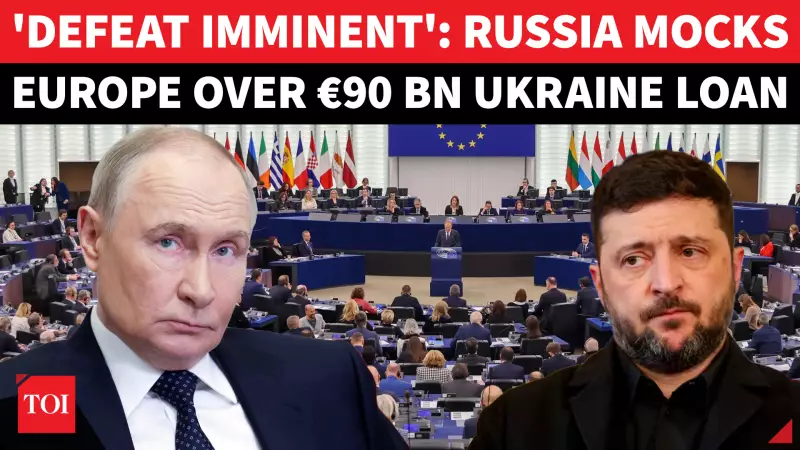
In a sharp escalation of diplomatic tensions, Russia has launched a scathing attack on the European Union following Brussels' decision to approve a massive €90 billion loan package for Ukraine. The move came after the EU failed to reach a consensus on seizing frozen Russian state assets, leading to a fiery response from Moscow.
Moscow's Fiery Retort to Brussels
Russian President Vladimir Putin's close aide, Kirill Dmitriev, did not mince words. He labeled the EU's financial decision a "major blow" to what he called European "warmongers." Dmitriev specifically targeted the President of the European Commission, Ursula von der Leyen, branding her a failed leader. This verbal retaliation underscores the deepening rift between Russia and the West, with financial aid becoming the latest flashpoint.
Cracks in European Unity Widen
The episode has further exposed the fractures within the 27-nation bloc. Notably, Hungary's Prime Minister Viktor Orban has voiced strong skepticism about the efficacy of the financial package. Orban warned that Ukraine's defeat cannot be avoided with money alone, highlighting a significant divergence in opinion among EU member states. His comments add to the growing questions about the bloc's unified strategy towards the ongoing conflict.

Can a Financial Lifeline Alter the War's Course?
As Moscow intensifies its rhetoric and European solidarity shows signs of strain, the core question remains: Will this substantial €90 billion lifeline be enough to change the trajectory of the war? The loan represents a colossal commitment from European taxpayers, but Russian officials and some European leaders like Orban are casting doubt on its ultimate impact. The situation sets the stage for a prolonged period of economic and geopolitical maneuvering, where financial power is pitted against military and strategic resolve on the battlefield.
The developments, reported on December 21, 2025, mark a critical juncture. They illustrate how the conflict has evolved beyond the battlefield into a war of economic endurance and political will, with Europe's latest move drawing both mockery and serious scrutiny from its adversaries and within its own ranks.






