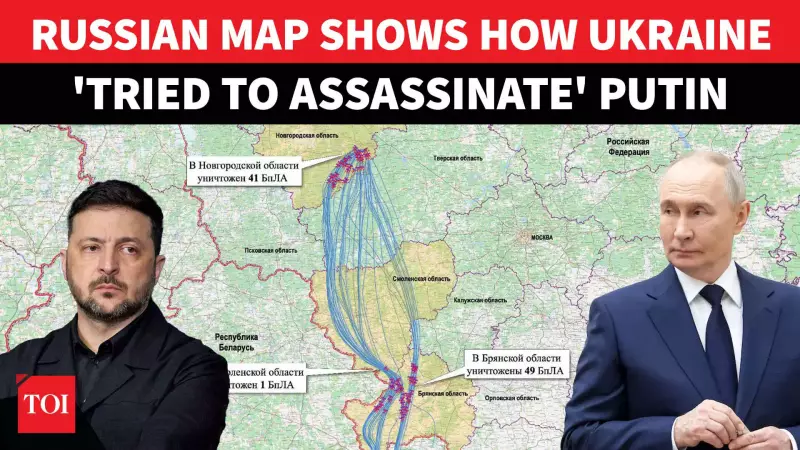
In a dramatic escalation of rhetoric, Russia's Defence Ministry has publicised a detailed map that it claims shows the flight paths of Ukrainian drones aiming for President Vladimir Putin's private residence. The alleged incident, which Moscow labels a terrorist act, is firmly denied by Kyiv, calling it a fabrication. This development comes amidst a backdrop of intensified military strikes and diplomatic friction.
The Map and Moscow's Claims
On December 31, 2025, Russian authorities released intelligence purporting to trace an attempted aerial assault. According to their account, a total of 91 long-range drones were launched from Ukrainian territory. The intended target, as presented by the Kremlin, was President Vladimir Putin's secret home in the Novgorod region.
The Russian military asserts that its air defence systems successfully intercepted every single one of these unmanned aircraft before they could reach the high-security compound. The release of the visual map, showing intricate flight paths converging on the location, is a calculated move to bolster their narrative on the global stage.

Kyiv's Firm Denial and Rising Tensions
Ukrainian officials have vehemently rejected the Russian narrative. Kyiv has dismissed the map and the accompanying claims as a complete fabrication and a provocation. This denial sets the stage for another cycle of accusation and counter-accusation, further eroding any potential for diplomatic dialogue.
The incident, whether real or alleged, has significantly intensified tensions at a critical juncture. It juxtaposes the harsh realities of ongoing warfare with the fragile prospects of diplomacy, creating a volatile international situation.
A Broader Context of Conflict
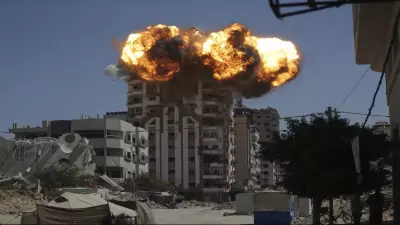
This alleged drone attack is not an isolated event but part of a wider pattern of escalating strikes. In a related development, Russian forces reportedly launched a major overnight drone strike on the Ukrainian port city of Odesa ahead of the New Year, injuring six people including children.
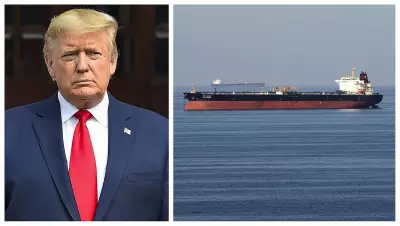
Simultaneously, conflict dynamics are shifting elsewhere. In a significant revelation, reports indicate the first US strike inside Venezuela, where the CIA allegedly bombed a 'drug port' in a secret operation, an action former President Trump is said to have confirmed. Furthermore, Iran has accepted a 'strike challenge' from Trump, warning the US of a 'regret-inducing response'.
Amidst this, Ukrainian President Volodymyr Zelensky has admitted that surrender is not an option, but has also stated that Ukraine cannot win the war without help from the US, specifically noting the need for Donald Trump's assistance. This sentiment comes as some NATO nations, reportedly annoyed by Zelensky's demands, are asking Ukraine to consider compromise, suggesting a 'peace on the horizon'.
The release of the map by Russia is more than a simple intelligence disclosure; it is a geopolitical tool. It serves to justify its military actions, rally domestic support, and attempt to shape international opinion against Ukraine at a time when the war's trajectory and external support are in flux.