

In a significant escalation of counter-terrorism efforts, Nigeria has indicated that further military action is likely following a coordinated Christmas Day bombardment with the United States targeting jihadist militants in the country's northwest.
Joint Operation with Nigerian Intelligence at Core
Nigerian Foreign Minister Yusuf Tuggar, in an interview with Channels TV on Friday, December 26, confirmed the collaborative nature of the strike. He stated that the operation was executed with Nigeria's full approval and, crucially, based on intelligence provided by Nigerian agencies. "It is an ongoing thing, and we are working with the US. We are working with other countries as well," Tuggar said, framing the action as part of a continuous security process involving multiple international partners.
He revealed that he was in direct communication with US Secretary of State Marco Rubio prior to the bombardment and that President Bola Tinubu had "gave the go-ahead" for the mission. Nigeria's foreign ministry later corroborated this on social media platform X, stating the precision strikes were a result of "intelligence sharing and strategic coordination" under existing security cooperation with Washington.

US Confirms Strike, Nigeria Rejects Religious Narrative
The US Department of Defense's Africa Command confirmed that "multiple ISIS terrorists" were killed in the attack in Sokoto state. A Pentagon video reportedly showed a nighttime missile launch from a US warship. US Defense Secretary Pete Hegseth thanked Nigeria for its cooperation, ominously adding, "More to come..."
However, a clear diplomatic divergence emerged in the framing of the operation's motives. US President Donald Trump portrayed the strikes on Truth Social as retaliation for violence against Christians, warning terrorists "there would be hell to pay." Nigeria forcefully pushed back against this religious characterisation. Minister Tuggar stressed, "It must be made clear that it is a joint operation, and it is not targeting any religion." He emphasized that Nigeria's counter-terrorism approach is neutral, irrespective of whether victims are Muslim or Christian.
Complex Militant Landscape and Broader Context
The identity of the targeted group remains somewhat unclear, highlighting the complex security landscape. While jihadist activity is most intense in Nigeria's northeast, groups have expanded into the northwest. Analysts cited by AFP suggest the strike may have hit elements of Lakurawa, a main jihadist faction in Sokoto state, which some researchers link to the Islamic State Sahel Province (ISSP). Other armed bands labelled as Lakurawa are reported to have ties to al-Qaeda-affiliated JNIM, a rival of ISSP.
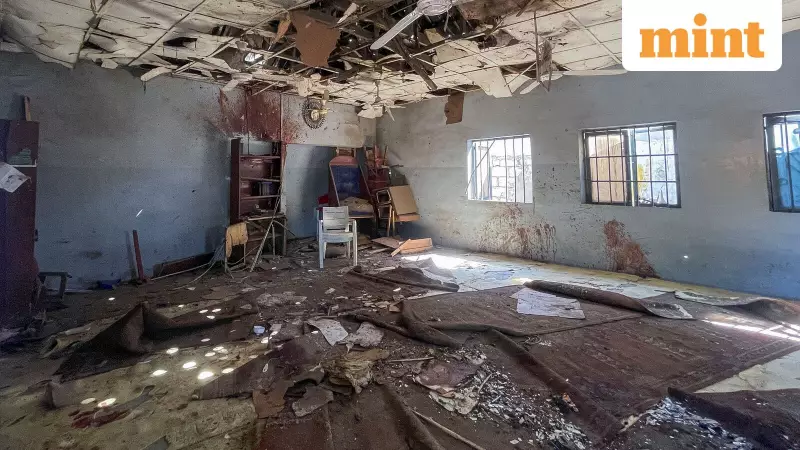
The airstrike followed separate violence, including a suspected suicide bombing at a mosque in northeast Nigeria that killed at least five people. In a Christmas message, President Tinubu had appealed for peace between faiths and reaffirmed his commitment to protecting all Nigerians from violence.
The event underscores a partnership where operational coordination exists alongside diplomatic friction over the narrative, setting the stage for potential future joint actions against militant groups in the region.






