The already dire humanitarian situation in Afghanistan is plunging into deeper crisis, with millions of citizens facing severe hunger as international aid organisations are forced to slash their life-saving programmes due to a catastrophic funding shortfall. A perfect storm of economic collapse, the aftermath of decades of conflict, and recent natural disasters has left the country teetering on the brink of widespread famine.
A Nation on the Brink: The Scale of the Crisis
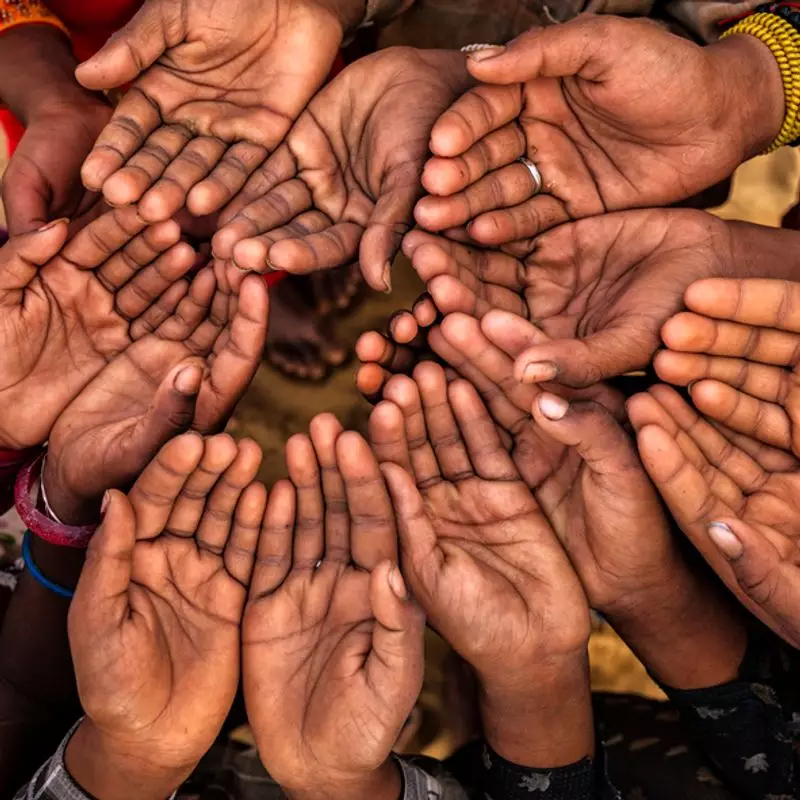
The numbers paint a grim picture. According to the United Nations, a staggering 23.7 million people in Afghanistan require humanitarian assistance in 2024. This figure represents well over half the country's population. More alarmingly, 15.8 million people are projected to face crisis or emergency levels of food insecurity between now and October. The crisis is particularly acute for children, with an estimated 3.2 million children under five expected to suffer from acute malnutrition this year.
The World Food Programme (WFP), a frontline agency in the fight against hunger, has been hit hard. In January, the WFP was compelled to cut food assistance for 10 million people due to a massive funding gap. This drastic reduction means that only those classified in the most severe, "emergency" phase of hunger are receiving regular aid. The agency has explicitly stated that without immediate new funding, further cuts are inevitable, pushing even more vulnerable families into desperation.

Funding Cuts and Operational Hurdles Compound Suffering
The root of the current emergency lies in a sharp decline in international financial support. Global attention and resources have been diverted to other crises, leaving Afghanistan's aid response severely underfunded. The UN's overall humanitarian appeal for Afghanistan for 2024 stands at $3.06 billion, but as of now, it remains largely unfunded. This financial drought forces impossible choices for aid workers, who must prioritise the most desperate cases while knowing millions more are slipping through the cracks.
Compounding the problem are the restrictive policies implemented by the Taliban authorities, who seized power in August 2021. The de facto administration's ban on Afghan women working for NGOs and the UN, announced in December 2022, has severely hampered aid delivery. This edict not only violates fundamental rights but also cripples the effectiveness of humanitarian operations, as female staff are essential for accessing and assessing the needs of women and children, who are often the most vulnerable in any crisis.
Furthermore, the Taliban's enforcement of a strict interpretation of Islamic law has rolled back women's freedoms, impacting their ability to work and access education, thereby reducing household incomes and resilience. The country's economy remains paralysed by sanctions and the freezing of international assets, leading to rampant unemployment and a collapse in purchasing power for ordinary Afghans.
Catastrophic Consequences and a Plea for Action
The consequences of this multi-faceted crisis are already devastating and are set to worsen. Families are resorting to extreme coping mechanisms, such as selling off their last assets, pulling children out of school to work, and reducing meals to just one per day. The health system, reliant on aid, is buckling under the strain of treating malnutrition and preventable diseases.
UN officials and humanitarian leaders are issuing urgent warnings. They stress that the international community's retreat from Afghanistan is being measured in lives lost. The situation is described not just as a food crisis, but as a full-blown catastrophe affecting livelihoods, health, and the future of an entire generation. The coming months are critical; without a swift injection of funds and a lifting of operational restrictions, the death toll from hunger and malnutrition is expected to rise sharply.

The call to action is clear: donor nations must reaffirm their commitment to the Afghan people based on humanitarian principles alone. Simultaneously, there is immense pressure on the Taliban authorities to reverse the bans on female aid workers to allow for an effective, impartial response. The world is watching as Afghanistan grapples with one of the planet's most severe humanitarian emergencies, where millions of innocent lives hang in the balance.