Larijani Assassination Strikes Iran at the Top: Can It Break What Lies Beneath?
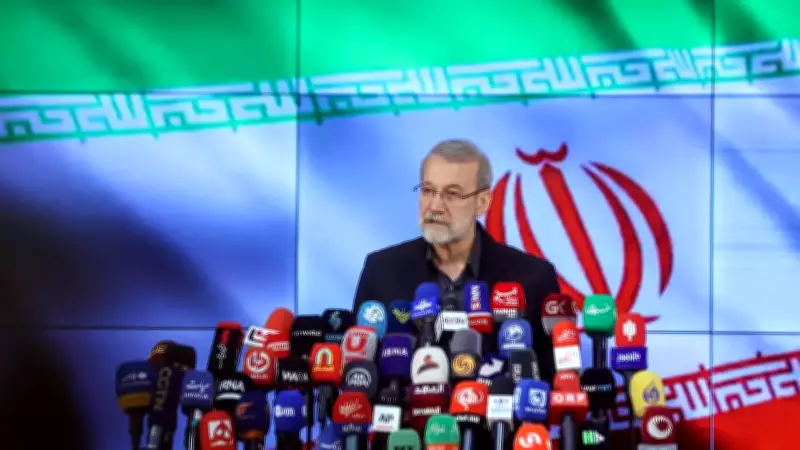
Israel's targeted killing of Ali Larijani on March 17, 2026, represents one of the most significant and consequential moments in its ongoing campaign against Iran's highest echelons of power. This dramatic event follows closely on the heels of the assassination of Supreme Leader Ali Khamenei, creating a profound leadership vacuum at the very pinnacle of the Iranian state.
The Central Figure Removed
Ali Larijani was not merely another senior official within the complex hierarchy of Iran's political and military establishment. He occupied a unique and critical position, widely recognized as the regime's operational anchor during this period of heightened conflict and instability. In the chaotic aftermath of Khamenei's death, Larijani had effectively stepped into a central coordinating role, managing the state's multifaceted response to external threats and internal pressures.
His function was that of a crucial bridge—connecting the abstract political authority of the ruling clerical establishment with the concrete, on-the-ground execution of military and security strategies. This role made him indispensable for maintaining coherence and direction within Iran's sprawling security apparatus and governmental bodies.

Assessing the Impact on Iran's Foundation
The critical question now facing analysts and observers is whether this decapitation strike at Iran's leadership can genuinely fracture the underlying structures that sustain the regime. While the removal of such a pivotal figure undoubtedly creates immediate operational disarray and strategic confusion, the resilience of Iran's deep state institutions remains a significant factor.
The assassination exposes several key vulnerabilities:
- Leadership Continuity: The rapid succession of high-profile losses tests Iran's mechanisms for succession and crisis management.
- Operational Coordination: Larijani's unique role as a coordinator between political and military spheres leaves a gap that may be difficult to fill promptly.
- Morale and Cohesion: Such strikes can impact the confidence and unity within Iran's security and political elite.
However, Iran's system has demonstrated historical resilience through decades of external pressure and internal challenges. The bureaucratic, military, and intelligence infrastructures that form the bedrock of the state may possess sufficient institutional depth to absorb this shock, even as the top leadership is targeted.
This event marks a dangerous escalation in the shadow war between Israel and Iran, potentially altering the strategic calculus for both nations and their allies across the Middle East. The coming weeks will reveal whether this strike merely wounds the Iranian leadership or fundamentally weakens the regime's capacity to project power and maintain domestic control.