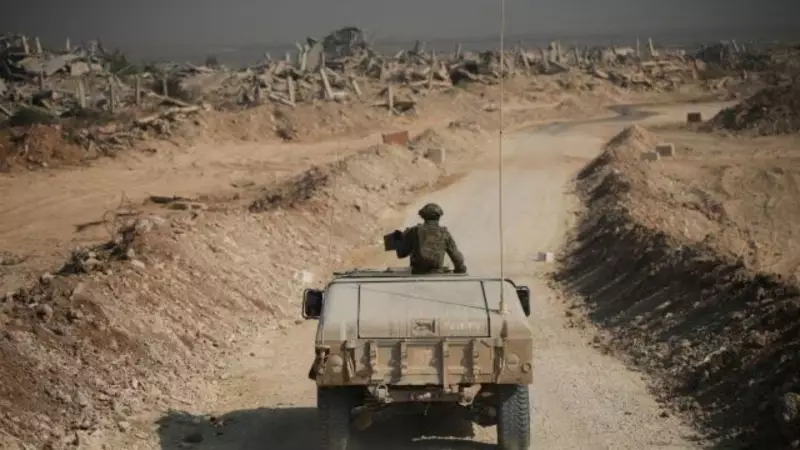
In a significant diplomatic development, the Israeli government has unequivocally ruled out any Turkish military presence in Gaza, emphasizing the need for regional cooperation instead of foreign troop deployment. The statement comes amid ongoing discussions about post-conflict arrangements in the troubled territory.
Official Stance on Turkish Military Involvement
Israeli government spokesperson Avi Hyman made the country's position crystal clear during a recent press briefing. Hyman explicitly stated that Turkish forces would not be permitted to operate in Gaza under any circumstances. This firm rejection addresses speculation that had been circulating in international diplomatic circles about potential Turkish involvement in security operations.
The spokesperson elaborated that while Israel values regional partnerships, the deployment of Turkish troops represents a line that Jerusalem is not willing to cross. This position reflects Israel's broader strategic concerns about maintaining control over security arrangements in and around the Gaza Strip.

Emphasis on Regional Cooperation
Rather than welcoming foreign military contributions, Hyman stressed the importance of collaboration with regional partners who maintain constructive relations with Israel. The spokesperson highlighted that countries willing to work with Israel in meaningful ways would be preferred partners in any future security arrangements.
This approach signals Israel's intention to keep security matters within a framework of regional alliances that align with its strategic interests. The statement suggests that nations maintaining diplomatic relations with Israel and supporting its security concerns would take precedence in any cooperative efforts.
Context and Implications
The rejection of Turkish military involvement comes against the backdrop of complex regional dynamics and ongoing conflict in Gaza. Turkey, under President Recep Tayyip Erdogan, has been increasingly critical of Israel's military operations, creating diplomatic tensions between the two nations.
This development represents a significant diplomatic position that could influence future security arrangements in Gaza. By drawing clear boundaries about acceptable international involvement, Israel is asserting its primacy in determining security protocols for the territory.
The Israeli government's stance also reflects broader concerns about maintaining strategic autonomy while navigating complex international relationships. The explicit exclusion of Turkish forces indicates that Jerusalem views certain international partnerships as incompatible with its security interests in the region.
As discussions about Gaza's future continue, this position will likely shape the parameters of international involvement and regional cooperation efforts. The statement serves as a clear indicator of Israel's priorities and red lines in post-conflict planning for the troubled territory.