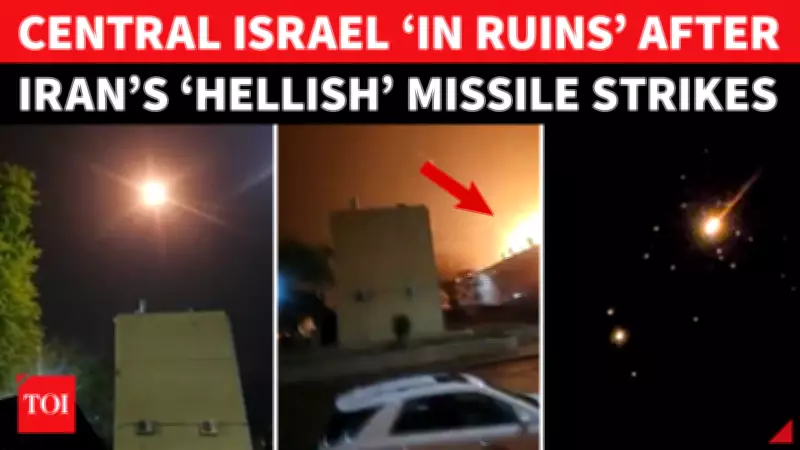
Iran's Ballistic Missile Attack Causes Widespread Destruction in Central Israel
In a significant escalation of regional tensions, Iran has launched a major ballistic missile strike against central Israel, resulting in widespread destruction across multiple locations. The attack, which occurred on March 23, 2026, involved the use of cluster munitions and caused falling debris to impact various areas.
Specific Damage Reports from Affected Locations
Petah Tikva, a city in central Israel, witnessed heavy damage from the missile strike. Initial reports indicate that cluster munitions caused substantial destruction to infrastructure and property in the area.
Meanwhile, Nir Am experienced significant fires that engulfed parts of the community. Emergency services were deployed to contain the blazes and assess the full extent of the damage.

Remarkable Absence of Casualties and Official Response
Despite the scale and intensity of the attack, no casualties have been confirmed at this time. This unexpected outcome prompted Israeli Prime Minister Benjamin Netanyahu to describe the situation as a "miracle" in his initial public statements.
Military officials have launched investigations into the attack's specifics and are working to determine the precise types of munitions used and their intended targets.
Growing Concerns Over Israel's Missile Defense Capabilities
The attack has raised serious questions about the effectiveness of Israel's missile defense systems. Reports indicate possible interception failures in two specific locations:
- Dimona: Site of reported defense system failures
- Arad: Another location where interceptor systems may have been ineffective
These apparent failures have led to growing concerns among military analysts and government officials about the state of Israel's interceptor stockpiles. There are fears that these resources may be running low amid what appears to be an ongoing and potentially prolonged conflict with Iran.
Broader Implications for Regional Security
The missile strike represents a significant escalation in the ongoing Iran-Israel conflict and has heightened tensions throughout the Middle East. The attack's timing and scale suggest a calculated move by Iran to demonstrate its military capabilities while testing Israel's defensive responses.
As military assessments continue, regional observers are closely monitoring the situation for potential further escalations and the international community's response to this latest development in Middle Eastern geopolitics.