Iran's Retaliatory Strike Near Israeli Nuclear City Ignites Regional Crisis
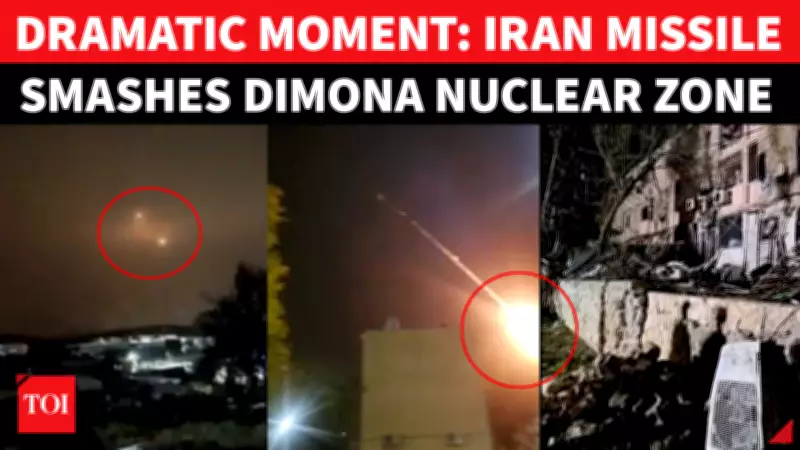
In a dramatic escalation of hostilities, a missile strike near Israel's secretive Dimona nuclear facility has resulted in dozens of injuries, including children, sending shockwaves through the region and beyond. The attack, claimed by Iran as retaliation for an earlier strike on its Natanz uranium enrichment plant, marks a dangerous new phase in the long-standing conflict between the two Middle Eastern powers.
Panic and Casualties in Southern Israel
Emergency services in Israel reported multiple casualties following the strike, with panic spreading rapidly across southern cities. Initial assessments indicate that the missile breached Israeli air defenses, an unprecedented event that has raised serious questions about the nation's security infrastructure. Hospitals are on high alert, treating the injured amid chaotic scenes as authorities scramble to assess the full extent of the damage.
Iran's Justification and Israel's Denial
Iranian officials have publicly stated that the strike was a direct response to what they describe as an Israeli attack on the Natanz nuclear facility, a key site in Iran's uranium enrichment program. However, Israel has firmly denied any involvement in the Natanz incident, labeling Iran's claims as baseless propaganda. This exchange of accusations has further inflamed tensions, with both nations appearing to be on a collision course.

The International Atomic Energy Agency (IAEA), along with other global powers including Russia, has issued urgent warnings about the catastrophic risks associated with attacks near nuclear sites. The proximity of the strike to the Dimona facility, which is believed to house Israel's nuclear weapons program, has sparked fears of a potential nuclear disaster or escalation into a wider conflict.
Regional Security Implications
This incident has exposed vulnerabilities in regional security frameworks, with analysts warning that the breach of Israeli air defenses could embolden other actors in the Middle East. The strike near Dimona not only threatens immediate humanitarian consequences but also poses long-term risks to stability in a region already plagued by proxy wars and geopolitical rivalries.
International Response and Diplomatic EffortsWorld leaders are calling for restraint, urging both Iran and Israel to de-escalate the situation through diplomatic channels. The United Nations and other international bodies are monitoring developments closely, with some proposing emergency sessions to address the growing threat to nuclear safety and regional peace.
As tensions continue to spiral, the international community remains on edge, fearing that further retaliatory actions could trigger a full-scale war with unimaginable consequences for the Middle East and global security.