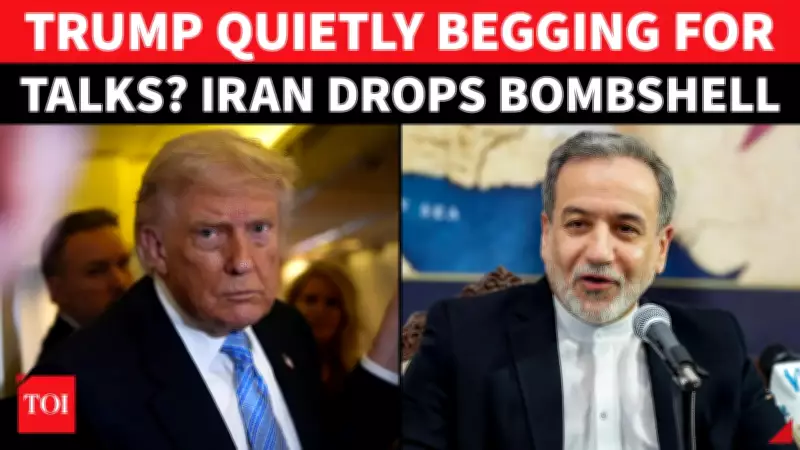
Iranian Foreign Minister Abbas Araghchi stated on Friday that the United States has been sending 'contradictory statements and excessive irrational rhetoric,' which have impeded progress in negotiations to end the ongoing war. Speaking to reporters, Araghchi emphasized that a lack of trust remains the primary obstacle in Iran's dealings with the U.S., though he acknowledged Washington's 'willingness' to continue discussions. He added that negotiations could move forward if the U.S. demonstrates readiness for a 'fair and balanced deal.'
Trump Dismisses Iran's Proposal
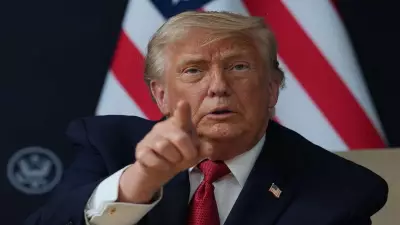
Earlier this week, U.S. President Donald Trump dismissed Iran's latest formal proposal as 'garbage.' While the proposal reportedly included some nuclear concessions, Trump has insisted on the removal of highly enriched uranium from Iran and a guarantee that the country will not develop nuclear weapons. Iran maintains that its nuclear program is solely for peaceful purposes.
Lack of Trust and Backchannel Efforts
Araghchi's comments come amid reports of backchannel communications between the two nations. The Iranian minister revealed that the U.S. has been pursuing behind-the-scenes talks, despite Trump's public强硬 stance. 'Who is really begging for negotiations?' Araghchi questioned, pointing to the contradiction between Washington's public rhetoric and private outreach.

The impasse highlights the deep-seated mistrust that has characterized U.S.-Iran relations for decades. Iran insists on a deal that respects its sovereignty and nuclear rights, while the U.S. demands verifiable guarantees against weaponization. Analysts suggest that any agreement would require significant compromises from both sides.
Regional and Global Implications
The standoff has broader implications for Middle East stability and global energy markets. Iran's strategic location near the Strait of Hormuz, a key oil transit chokepoint, adds urgency to the negotiations. Meanwhile, Trump's administration has ramped up military posturing in the region, further complicating diplomatic efforts.
As talks remain stalled, the international community watches closely. The European Union and other mediators have urged both parties to return to the negotiating table. However, with mutual distrust at an all-time high, a breakthrough seems distant.