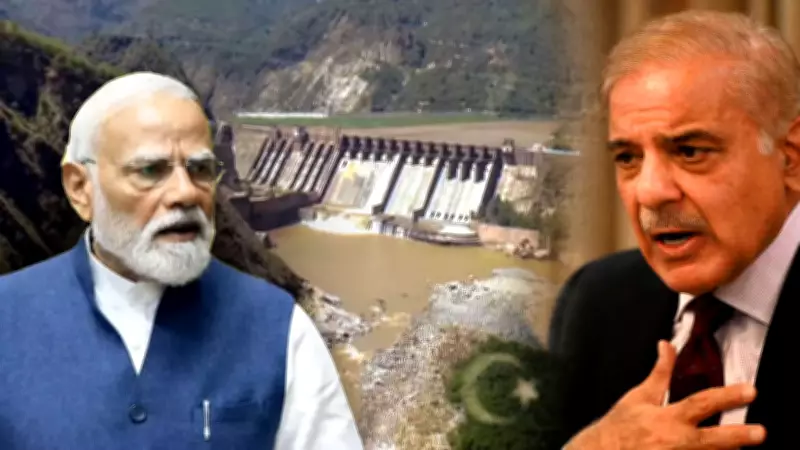
India has reiterated that the Indus Waters Treaty will not be restored unless Pakistan permanently ends support for cross-border terrorism. The statement comes amid ongoing tensions following the Pahalgam terror attack, Operation Sindoor, and India's rejection of a recent arbitration ruling related to the treaty.
Background of the Indus Waters Treaty
The Indus Waters Treaty, signed in 1960 between India and Pakistan, governs the sharing of water from the Indus River system. It has historically been considered a successful example of conflict resolution, surviving multiple wars between the two nations. However, recent events have strained the agreement.
Pahalgam Attack and Operation Sindoor
The Pahalgam terror attack, which resulted in the loss of innocent lives, prompted India to launch Operation Sindoor, a series of retaliatory measures. In response, India suspended the Indus Waters Treaty, citing Pakistan's continued support for terrorist activities. The Centre has now made it clear that the suspension will remain in effect until Pakistan takes concrete steps to dismantle terror infrastructure and cease all forms of support for cross-border terrorism.

Arbitration Ruling Rejected
India has also rejected a recent arbitration ruling related to the treaty, arguing that it was biased and did not take into account Pakistan's involvement in terrorism. The government maintains that any resolution must be contingent on Pakistan's commitment to peace and security in the region.
International Implications
The decision has significant implications for regional water security and bilateral relations. Experts suggest that the treaty's suspension could lead to water shortages in Pakistan, as India controls the upstream flow of the Indus and its tributaries. However, India has assured that it will continue to adhere to international water-sharing norms, albeit with strict conditions.
Future Prospects
While India has left the door open for negotiations, the ball is now in Pakistan's court. The Centre has emphasized that any dialogue must be preceded by tangible actions against terrorism. The international community, including the United Nations and the World Bank, has been urged to facilitate a resolution, but India remains firm on its stance.
This development marks a significant escalation in India-Pakistan tensions, with the water treaty becoming a tool of diplomatic pressure. As the situation evolves, all eyes are on Pakistan's response and the potential for renewed talks under stricter conditions.