Hezbollah Issues Stark Warning to Israel Amid Escalating Beirut Airstrikes
The Lebanese militant group Hezbollah has issued a direct and forceful warning to Israel, declaring that "aggression will not go unchallenged" in response to a significant escalation of military action. This statement comes as the Israeli military confirmed it had carried out 26 waves of airstrikes overnight, targeting the southern suburbs of Beirut, Lebanon's capital city.
Intense Overnight Strikes Rock Beirut's Southern Suburbs
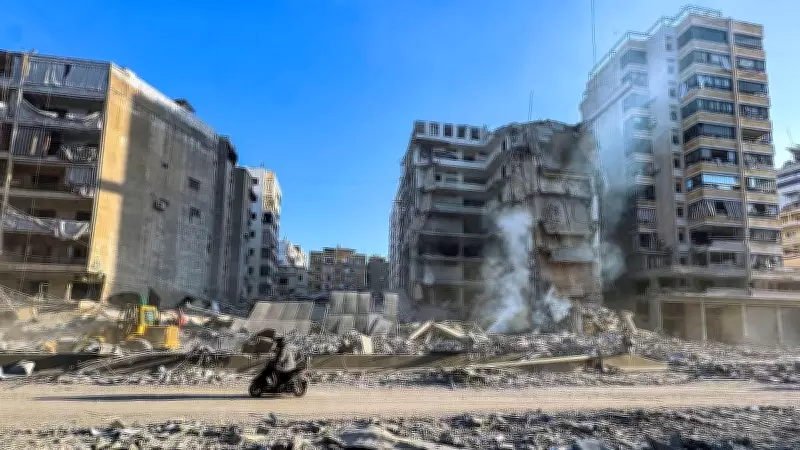
According to official reports from the Israeli Defense Forces (IDF), the military operations involved multiple coordinated strikes concentrated in the Dahiyeh area, a known stronghold of Hezbollah. The intensity and frequency of these attacks, described as 26 separate waves, mark one of the most substantial aerial bombardments in recent months, significantly heightening regional tensions.
The Israeli military publicly defended its actions on social media platform X (formerly Twitter), posting a message that read: "Hezbollah brought this on itself. Don’t threaten our people." This statement was accompanied by an image, underscoring Israel's position that the strikes were a preemptive or retaliatory measure against perceived threats from Hezbollah forces.

Hezbollah's Defiant Response and Regional Implications
In a swift and defiant counter-response, Hezbollah officials emphasized that any acts of aggression by Israel would be met with resistance. The group's warning underscores the volatile and precarious situation in the Middle East, where skirmishes and exchanges of fire between Israeli forces and Hezbollah have periodically flared along the Lebanon-Israel border.
Analysts note that such a significant escalation in Beirut, beyond the typical border areas, could signal a dangerous broadening of the conflict. The involvement of Iran, a key backer of Hezbollah, adds another layer of complexity to the geopolitical landscape, potentially drawing in other regional actors and impacting international diplomacy efforts.
Background and Ongoing Tensions
The latest hostilities occur against a backdrop of longstanding animosity between Israel and Hezbollah, which has been designated as a terrorist organization by several countries, including the United States and Israel. Previous conflicts, most notably the 2006 Lebanon War, have resulted in widespread destruction and loss of life, and there are growing concerns that the current escalation could spiral into a larger confrontation.
Residents in the affected suburbs of Beirut reported loud explosions and significant damage to infrastructure, although detailed casualty figures have not been immediately released. Humanitarian organizations are monitoring the situation closely, given the potential for civilian impact in densely populated urban areas.
As both sides exchange warnings and military actions, the international community is urging restraint to prevent a full-scale war. The situation remains fluid, with further developments expected as diplomatic channels are activated to de-escalate the crisis.