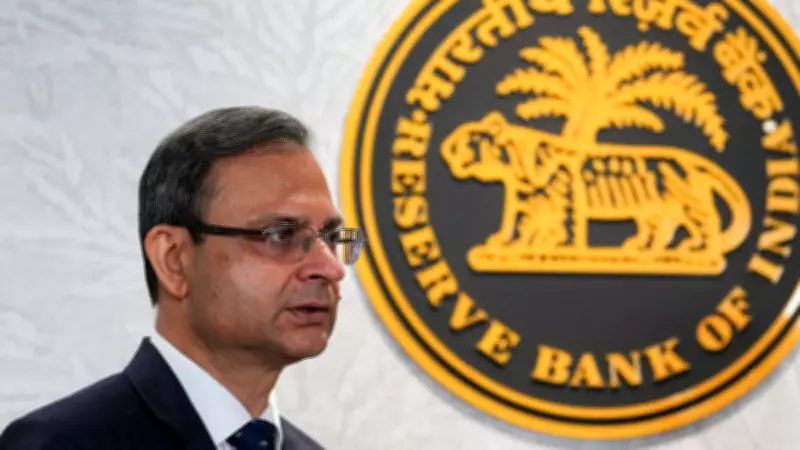
Union Minister for Petroleum and Natural Gas, Hardeep Puri, along with the Reserve Bank of India (RBI) Governor, has raised concerns over the potential impact of the ongoing Gulf conflict on global oil markets. Their statements hint at a possible increase in fuel prices in India in the near future.
Gulf Conflict and Oil Markets
The escalating tensions in the Gulf region have led to volatility in global crude oil prices. Hardeep Puri emphasized that the situation is being closely monitored and that any disruption in supply could affect India's fuel prices. The RBI Governor also highlighted the macroeconomic risks posed by rising oil prices, including inflationary pressures and a widening current account deficit.
Impact on Indian Economy
India imports over 80% of its crude oil requirements, making it highly vulnerable to global price fluctuations. A sustained rise in oil prices could lead to higher transportation and production costs, affecting everything from household budgets to industrial output. The government may need to adjust domestic fuel prices to reflect the global trends, though it has often tried to absorb some shocks through tax reductions.

Government's Response
Minister Puri assured that the government is taking all necessary steps to ensure energy security. However, he did not rule out a price revision if the global situation worsens. The RBI Governor echoed similar sentiments, urging preparedness for potential economic shocks.
Consumer Impact
For consumers, a fuel price hike would mean increased expenses on petrol, diesel, and cooking gas. This could lead to a ripple effect on the prices of essential goods and services. The government may consider measures to cushion the blow for the common man, but the extent of relief remains uncertain.
Global Context
The Gulf conflict has disrupted oil supply chains, with several major producers facing instability. This has led to a spike in crude oil prices, which have crossed the $100 per barrel mark in recent weeks. Analysts predict that prices could remain elevated until the geopolitical situation stabilizes.
Conclusion
While no immediate announcement on fuel price revision has been made, the statements from top officials indicate that a hike is on the cards. The government is likely to take a calibrated approach, balancing the need to pass on global costs with protecting consumers from undue burden.