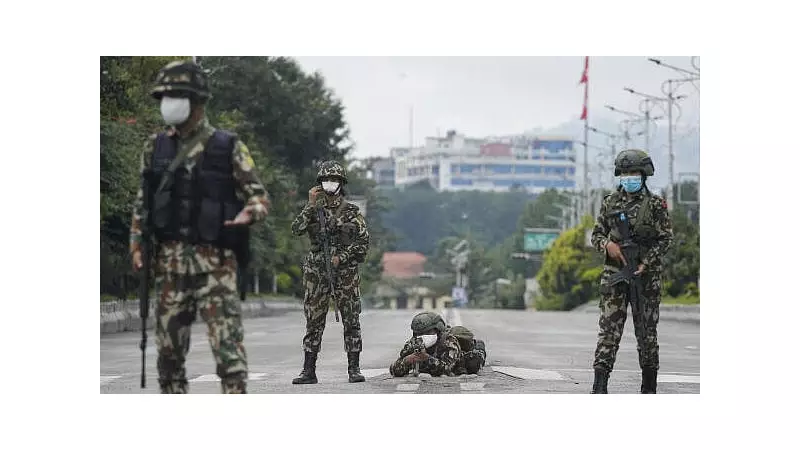
Authorities in Nepal have lifted the curfew in the key border town of Birgunj, marking a return to normalcy after a tense period sparked by an incident of religious vandalism. The situation, which led to the imposition of restrictions, has now stabilised, allowing daily life and business activities to resume.
Incident Triggered by Social Media Posts
According to police statements, the unrest originated from an act of vandalism targeting a local mosque. This destructive act was carried out by a group of youths. Law enforcement officials clarified that this was a direct reaction to inflammatory messages circulating on social media platforms. The messages, which were allegedly anti-Hindu in nature, were reportedly posted by two Muslim youths.
The two individuals accused of creating and sharing the contentious social media content were subsequently taken into police custody. Their detention appears to have been a crucial step in de-escalating the communal tensions that had risen in the area.
Restoration of Order and Calm
With the key suspects in custody and the immediate threat of further violence diminished, the district administration made the decision to revoke the curfew order. The removal of restrictions signifies confidence that public order has been restored. Residents of Birgunj, a vital economic hub on the India-Nepal border, can now go about their daily routines without hindrance.
The incident underscores the potent and sometimes dangerous role social media can play in inflaming communal sentiments. The rapid police response in identifying the alleged instigators and containing the retaliatory violence was pivotal in preventing a larger-scale conflict.
A Return to Normal Life
Life in Birgunj is steadily returning to its usual rhythm. Markets have reopened, and transportation services are operating normally. The focus for local authorities now is on maintaining long-term peace and ensuring that such incidents, fueled by online provocation, do not recur. The case highlights the ongoing challenge of monitoring and managing hate speech on digital platforms to preserve social harmony.
The entire sequence of events, from the viral social media posts to the vandalism and the eventual lifting of the curfew, transpired around 06 January 2026. The swift resolution demonstrates the importance of prompt law enforcement intervention in sensitive communal situations.