For the first time in two years, the biblical town of Bethlehem witnessed a significant return of Christmas spirit and pilgrims, marking a poignant celebration under the long shadow of the ongoing war in Gaza. The festive atmosphere, though palpable with the sounds of choirs and the sight of decorations, remained deliberately subdued in solidarity with the suffering in Palestine.
A Sombre Celebration in the Birthplace of Jesus
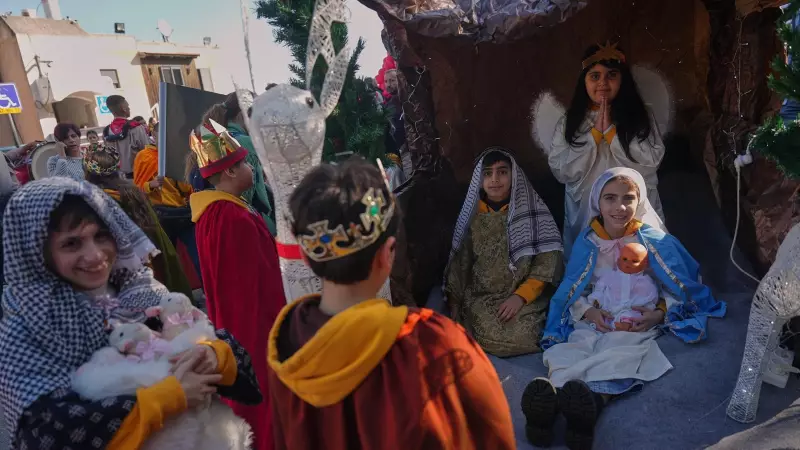
The traditional Christmas Eve procession, a central event, made its way through the streets of the occupied West Bank town on Tuesday. Palestinian scouts played bagpipes and drums, leading church leaders in their robes through the crowds gathered in Manger Square. The square, home to the Church of the Nativity built on the site where Christians believe Jesus was born, was filled with thousands of locals and international visitors.
This year's turnout presented a stark contrast to the past two years when the COVID-19 pandemic and then the devastating Gaza war severely dampened celebrations. In 2023, festivities were effectively cancelled following the outbreak of the Israel-Hamas war on October 7. This year, Israeli authorities granted permits for around 200 Christians from Gaza to travel to Bethlehem and Jerusalem for Christmas, a small gesture amidst the conflict.

"Last year, we couldn't celebrate at all. The square was almost empty," recalled a Palestinian resident, highlighting the shift. While a large Christmas tree and strings of lights adorned the square, the mood was far from jubilant. Many attendees wore black shoulder sashes or carried signs with messages like "No Christmas under siege" and "Stop the genocide," directly linking the celebration to the plight of Palestinians in Gaza.
Messages of Peace and Pain from Church Leaders
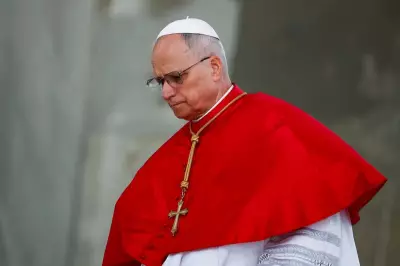
The religious ceremonies carried powerful political and humanitarian messages. The Latin Patriarch of Jerusalem, Cardinal Pierbattista Pizzaballa, the top Catholic cleric in the Holy Land, presided over the mass. In his address, he focused intensely on the war, stating that the children of Gaza were the "image of the Child of Bethlehem" today.
He delivered a heartfelt plea, saying, "Our heart, here in Bethlehem and in the entire Holy Land, is currently in Gaza, with its people, torn by a devastating war, without distinction." His words underscored the church's stance, framing the Christmas message of peace and hope in the context of immediate tragedy and loss.
Similarly, the head of the Greek Orthodox Church in Bethlehem, Father Issa Thaljieh, described the celebrations as taking place "under the shadow of the war" and noted the intentional toning down of festivities. The blend of traditional Christmas joy with profound grief created a unique and emotionally charged atmosphere in the holy city.
A Fragile Return to Tradition Amidst Conflict
The return of pilgrims, though welcome, was still below pre-pandemic and pre-war levels. Tourism, a lifeblood for Bethlehem's economy, has been shattered by years of instability. Shop owners and hoteliers expressed cautious hope that this Christmas could mark the beginning of a slow recovery, yet acknowledged the deep economic scars left by the prolonged conflict.
The key facts from the celebrations include:
- The event marked the first major gathering in Bethlehem since the Gaza war began over two years ago.
- Celebrations were intentionally muted, with symbolic protests against the war integrated into the events.
- Church leaders used their Christmas messages to call for peace and highlight the suffering in Gaza.
- Israeli permits allowed a limited number of Gazan Christians to attend, highlighting the fragmentation of Palestinian communities.
In conclusion, Christmas 2024 in Bethlehem was a powerful symbol of resilience and faith confronting profound adversity. It was a celebration where joy was inseparable from mourning, and where the message of Christ's birth was inextricably linked to a call for an end to violence and suffering in the Holy Land. The world watched as Bethlehem managed to reclaim a piece of its Christmas tradition, not with unbridled festivity, but with a solemn, hopeful, and politically conscious spirit that defined this unique moment in its long history.