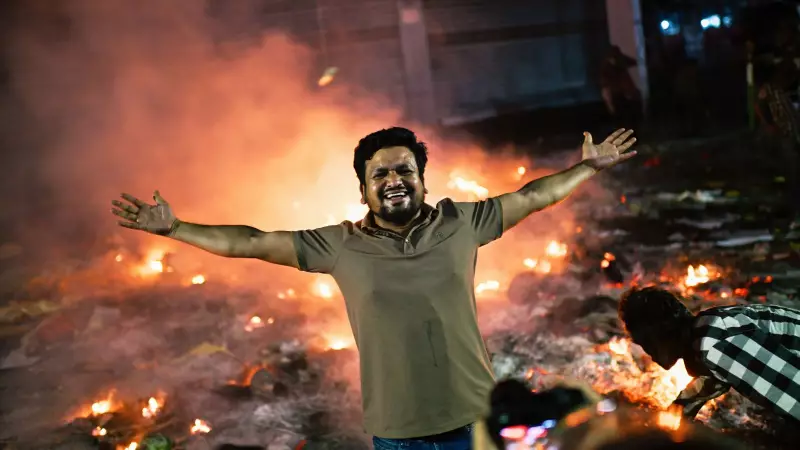
The streets of Bangladesh have been engulfed by a fresh wave of political turmoil following the death of a prominent student leader. Sharif Osman Hadi, a key figure in the ongoing anti-government quota reform protests, died under circumstances that have ignited public outrage and led to violent clashes between demonstrators and law enforcement.
Who Was Sharif Osman Hadi?
Sharif Osman Hadi was a central leader within the Bangladesh Chhatra Dal (BCD), the student wing of the main opposition party, the Bangladesh Nationalist Party (BNP). He was actively involved in the widespread student-led movement demanding reforms to the existing quota system for government jobs. The movement, which has paralyzed campuses for weeks, calls for a merit-based system, challenging the current structure that reserves a significant percentage of posts for descendants of freedom fighters and other groups.
Hadi was reportedly arrested by police on July 17, 2024. According to official statements from the Dhaka Metropolitan Police, he was taken into custody from the Shahbagh area. The police claim he was wanted in several cases, including charges related to violence and sabotage.

The Controversial Circumstances of His Death
The sequence of events leading to Hadi's death is shrouded in controversy and forms the core of the public anger. Authorities state that after his arrest, Hadi fell ill and was subsequently admitted to the Sheikh Hasina National Institute of Burn and Plastic Surgery. He was later transferred to the Bangladesh Medical College Hospital, where he was pronounced dead.
However, this official narrative is fiercely contested by the opposition, Hadi's family, and fellow protesters. They allege that Hadi died due to torture while in police custody. This allegation has transformed his death from a tragic incident into a potent symbol of state oppression for the protest movement. The demand for an independent, transparent investigation into the exact cause of his death has become a rallying cry.
Escalating Protests and Political Fallout
The announcement of Hadi's death acted as a catalyst, sparking immediate and intense protests. Student activists and BNP supporters took to the streets in Dhaka and other major cities, leading to confrontations with police. Reports indicate the use of tear gas, rubber bullets, and water cannons by law enforcement to disperse the crowds, resulting in injuries and further arrests.
The BNP and its allies have seized upon this incident to intensify their criticism of the government led by Prime Minister Sheikh Hasina. They accuse the administration of authoritarian tactics, stifling dissent, and using excessive force against peaceful protesters and political opponents. The quota reform movement has now become deeply intertwined with broader political grievances against the ruling Awami League government.
In response, government officials have denied all allegations of custodial torture. They maintain that Hadi was provided with necessary medical care and that his death will be investigated through proper legal channels. The Home Minister has warned against the spread of misinformation and has emphasized maintaining public order.
A Nation at a Crossroads
The death of Sharif Osman Hadi has significantly raised the stakes in Bangladesh's ongoing political crisis. It has injected a new level of emotion and volatility into the quota reform protests, which were already a major challenge for the government. The incident underscores the deep divisions within the country and the fragile state of its political discourse.
As the situation develops, the key questions remain: What will the findings of any investigation reveal? Will the protests subside or evolve into a larger, more sustained movement? The answers will have profound implications for Bangladesh's stability, its democratic processes, and its international image. The coming days are critical, with the potential for further escalation hanging in the balance.