The Free Balochistan Movement (FBM) has taken its campaign for justice to the streets of Europe and the United Kingdom, staging a series of protests against the alleged enforced disappearances of Baloch women in Pakistan. The demonstrations, held on Saturday, aimed to draw global attention to what activists describe as a systematic campaign of repression in the troubled province of Balochistan.
Global Protests Echo Demands for Justice
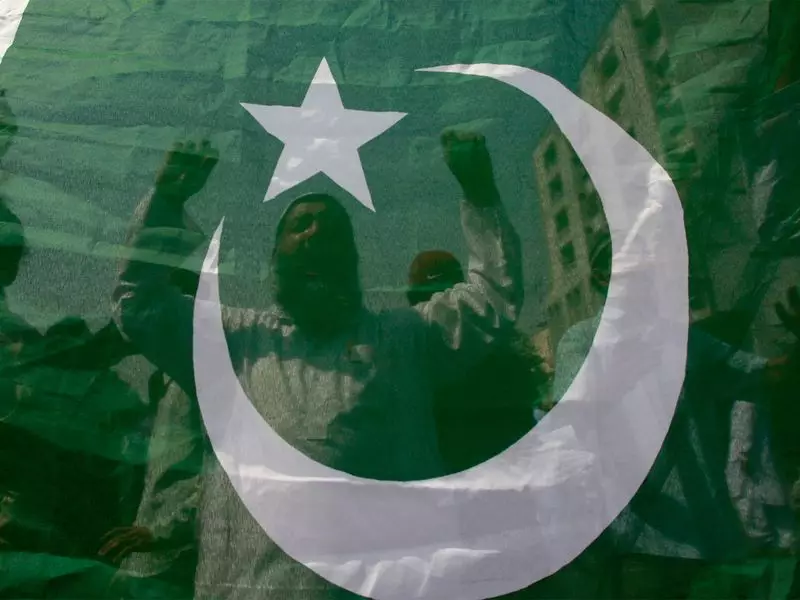
Activists from the FBM organized simultaneous protests in key European cities, including London in the United Kingdom and Bremen in Germany. The central rally unfolded outside the iconic 10 Downing Street in London, the official residence of the British Prime Minister. Protesters brandished placards and raised slogans condemning the Pakistani state and its intelligence agencies for their alleged role in the abductions.
The movement's leaders were unequivocal in their accusations. They claimed that Pakistani intelligence agencies, particularly the Inter-Services Intelligence (ISI), are directly involved in kidnapping Baloch women. These acts, they argue, are not isolated incidents but part of a broader strategy to intimidate and silence the Baloch community, which has long sought greater autonomy and rights.

Highlighting Specific Cases of Disappeared Women
The protests were not just about general grievances; they spotlighted specific, harrowing cases. Activists named several women who have reportedly vanished, including Dr. Mahal Baloch, Sana Baloch, and Saba Baloch. The FBM's statement provided chilling details, alleging that these women were abducted from their homes or workplaces by individuals posing as security personnel.
One particularly distressing case highlighted was that of a Baloch woman who was reportedly seven months pregnant at the time of her alleged abduction. The movement's representatives used such examples to underscore the brutality and gendered nature of the crackdown, arguing that targeting women creates a profound climate of fear within families and communities.
International Appeal and Accusations Against Pakistan
A core objective of the demonstrations was to make an international appeal. The FBM urged global powers, including the United Kingdom, European Union, and the United Nations, to intervene. They called upon these entities to pressure the Pakistani government to halt the practice of enforced disappearances immediately and to ensure the safe recovery of all missing persons.
The movement's narrative frames the issue as a severe human rights crisis. They accuse the Pakistani state of employing enforced disappearances as a tool of state policy to crush dissent in Balochistan, a resource-rich region where a low-intensity insurgency has persisted for decades. The recent focus on women, they claim, represents a dangerous escalation in tactics.
The protests on July 20th were strategically timed to amplify their message on an international stage. By choosing high-visibility locations in Western democracies, the FBM seeks to leverage global public opinion and diplomatic channels, hoping to achieve what internal advocacy has failed to deliver.
Broader Context of Unrest in Balochistan
The issue of enforced disappearances in Balochistan is not new. Human rights organizations have documented hundreds of cases over the years, primarily involving Baloch men—activists, students, and journalists. The Pakistani government often labels missing individuals as militants who have gone underground.
However, the explicit targeting of women, as alleged by the FBM, adds a new and deeply troubling dimension to the conflict. It suggests that the net of suspicion and retaliation is widening, affecting families directly. The protests in Europe signify a growing diaspora-led effort to keep the spotlight on Balochistan's human rights situation, challenging Pakistan's narrative on the international front.
The Free Balochistan Movement's latest actions demonstrate a sustained campaign to internationalize the Baloch struggle. Whether these protests in London and Bremen will translate into concrete diplomatic pressure remains to be seen, but they have successfully reignited a difficult conversation about accountability and human rights in South Asia.