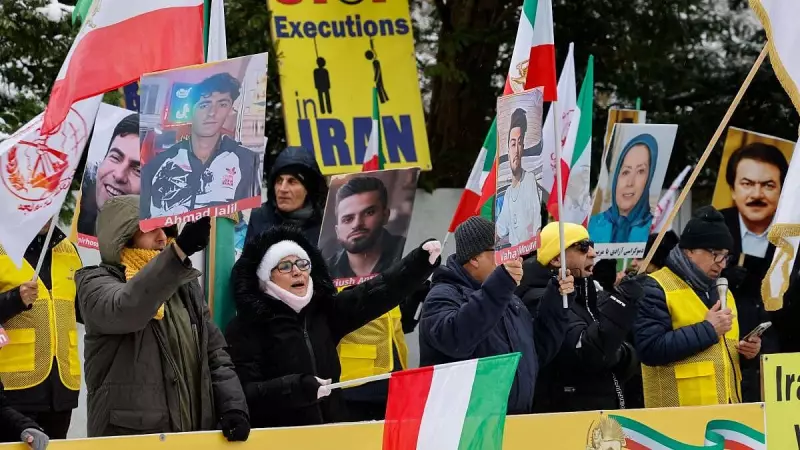
Human rights organisations have reported a significant escalation of violence in Iran, stating that at least 25 people have been killed during widespread protests. The unrest, primarily centred in the country's southwest, stems from severe water shortages that have crippled the Khuzestan province.
Escalating Violence in Khuzestan Province
The protests, which began on July 15, were initially sparked by public anger over a dire water crisis. However, they have since intensified, leading to violent clashes between demonstrators and state security forces. Amnesty International and other monitoring groups have confirmed that the death toll has risen to at least 25 individuals. These groups allege that Iranian security forces used live ammunition and tear gas against protesters, leading to the fatalities.
Videos and reports emerging from the region show scenes of significant unrest. Authorities have reportedly imposed internet shutdowns in affected areas, a common tactic to stifle the flow of information and prevent organisation. The province of Khuzestan, home to a large Arab minority, has long complained of government neglect and environmental mismanagement, which many blame for the current water scarcity.

International Reaction and Calls for Restraint
The international community has begun to respond to the deteriorating situation. The United Nations has voiced its concern, urging Iranian authorities to exercise maximum restraint and to address the legitimate grievances of its citizens regarding access to water. UN human rights experts have called for independent investigations into the reported killings.
Meanwhile, the Iranian government has acknowledged the protests but has provided a much lower casualty figure. Officials have blamed the unrest on "foreign instigators" and "separatist groups," accusing them of exploiting the water shortage issue to destabilise the region. State media has reported that several security personnel have also been injured during the clashes.
A Pattern of Unrest and Environmental Crisis
This wave of protests is not an isolated incident but part of a recurring pattern of demonstrations in Iran linked to economic hardship, environmental issues, and political discontent. The water crisis in Khuzestan is particularly acute, with drought and poor infrastructure leaving many communities without reliable access to drinking water and irrigation for agriculture.
The response from security forces mirrors tactics seen during previous nationwide protests in November 2019, which resulted in hundreds of deaths. Human rights organisations continue to document the events, calling for accountability and for the Iranian government to address the root causes of the discontent rather than relying on suppression.
As the internet blackouts continue, the full scale of the violence and the final death toll remain difficult to verify independently. The situation highlights the ongoing tension between the state and segments of the population grappling with systemic challenges and demanding change.