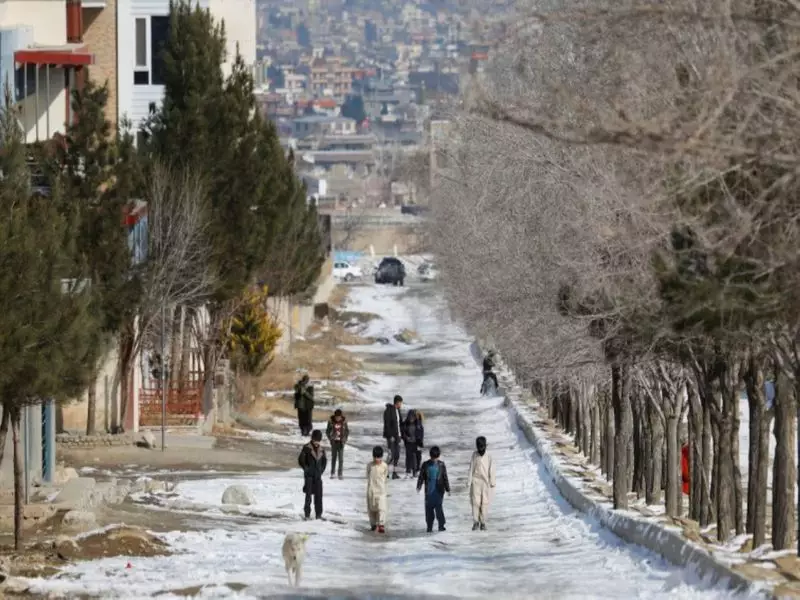
As winter's icy grip tightens around Afghanistan's capital, hundreds of displaced families face a desperate battle for survival with minimal protection from the elements and dwindling humanitarian assistance.
A City of Makeshift Settlements
In the Charahi Qambar camp and surrounding areas of western Kabul, more than 700 families have created temporary shelters from the thinnest of materials - plastic sheets, ragged tents, and mud-brick structures that offer little defense against plummeting temperatures. These internally displaced persons (IDPs) represent the human cost of Afghanistan's ongoing instability under Taliban rule.
One resident, 60-year-old Gul Faraz, encapsulates the collective despair: "We have nothing. No proper home, no warm clothes, no heating, no jobs, nothing to eat." His words echo through the camp where families who fled conflict in provinces like Panjshir now confront a new enemy - the brutal Afghan winter.

The Daily Struggle for Basic Necessities
The crisis extends beyond inadequate shelter. Access to clean drinking water has become a monumental challenge, forcing residents to consume contaminated water that breeds illness. With healthcare facilities either unavailable or unaffordable, simple ailments become life-threatening conditions.
Economic desperation drives heartbreaking decisions. Young children, including girls as young as seven or eight, are being married off by families who see no other way to ensure their survival. This disturbing trend highlights the extreme measures families are taking to reduce the number of mouths to feed.
The situation has created a generation deprived of education and childhood. Most children in these camps have never attended school, their days consumed by the search for basic necessities rather than learning and play.
International Response and Local Realities
While international organizations like the World Food Programme and UNICEF operate in Afghanistan, their reach remains limited. The combination of Taliban restrictions on aid distribution and overwhelming need has created critical gaps in assistance.
Local authorities acknowledge the crisis but offer little practical solution. The interim Taliban government's capacity to address humanitarian needs remains constrained by international sanctions and internal governance challenges.
As temperatures continue to drop, the international community faces urgent questions about how to deliver effective aid in one of the world's most complex humanitarian environments. For the families in Kabul's displacement camps, the coming months represent a race against time and weather that will determine who survives to see another spring.