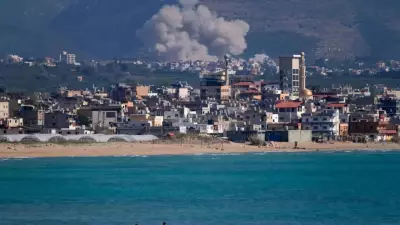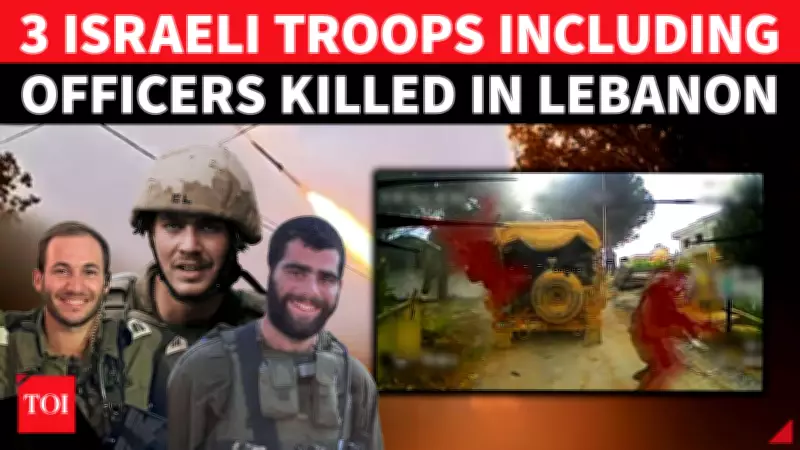
Three Israeli soldiers have been killed in southern Lebanon despite a ceasefire intended to reduce hostilities along the Israel-Lebanon border. According to the Israeli military, the latest casualties include Captain Shahar Galma, Sergeant Ohad Yaari, and Captain Eitan Shmuel Lemberg. Their deaths come as Hezbollah continues to claim attacks against Israeli military positions, including rocket, drone, and artillery strikes.
Details of the Incident
The Israeli Defense Forces confirmed the deaths on June 7, 2026, marking another setback in efforts to stabilize the northern front. The soldiers were reportedly killed in a Hezbollah attack that targeted an Israeli position near the border. The incident underscores the fragility of the ceasefire agreement, which was brokered to de-escalate tensions after months of cross-border violence.
Hezbollah's Ongoing Operations
Hezbollah, the Lebanese militant group, has claimed responsibility for multiple attacks against Israeli forces in recent weeks. These operations include rocket barrages, drone strikes, and artillery shelling aimed at military outposts. The group has vowed to continue its campaign until Israeli forces withdraw from disputed areas along the border.

The latest casualties bring the total number of Israeli soldiers killed in Lebanon since the ceasefire to over a dozen. Despite international pressure and diplomatic efforts, Hezbollah has refused to disarm or retreat from the border region, citing ongoing Israeli violations of Lebanese sovereignty.
Challenges on the Northern Front
The deaths highlight the persistent challenges facing Israel on its northern front. The IDF has conducted numerous airstrikes and ground operations in southern Lebanon over the past year, but Hezbollah's military capabilities remain largely intact. The group has adapted to Israeli tactics, using underground tunnels and mobile rocket launchers to evade detection.
Israeli officials have expressed frustration with the ceasefire's inability to prevent attacks. Prime Minister Benjamin Netanyahu warned that Israel would respond forcefully to any further provocations. Meanwhile, the United Nations Interim Force in Lebanon has called for restraint from both sides, urging adherence to the ceasefire terms.
Regional Implications
The ongoing violence has broader implications for regional stability. Hezbollah's actions are widely seen as being coordinated with Iran, which provides the group with financial and military support. The escalation on the Israel-Lebanon border also risks drawing in other actors, including Syria and Iran-backed militias in the region.
International mediators, including the United States and France, have intensified efforts to salvage the ceasefire. However, the entrenched positions of both Israel and Hezbollah make a lasting peace agreement elusive. The latest deaths serve as a grim reminder of the human cost of the conflict and the difficulty of achieving a durable resolution.