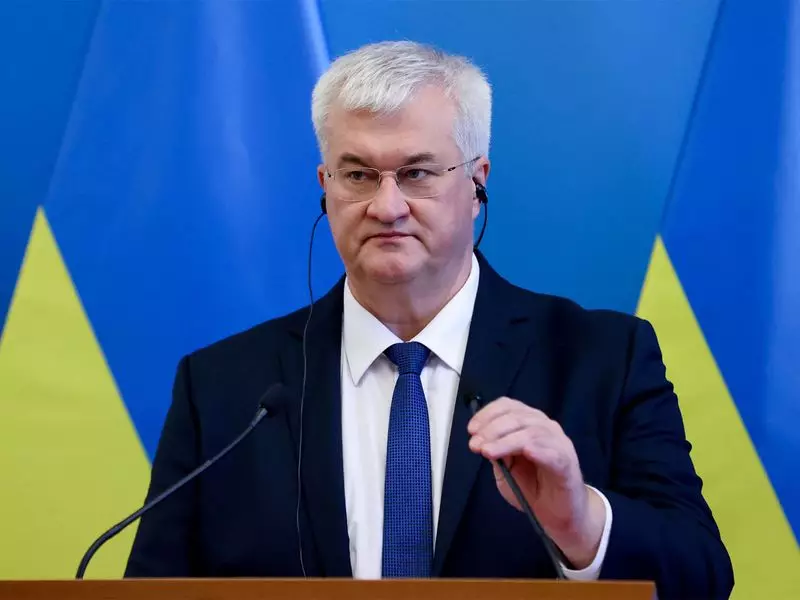
In a startling revelation that highlights the global dimensions of the Ukraine conflict, Ukrainian Foreign Minister Andrii Sybiha has confirmed that more than 1,400 African nationals are currently fighting alongside Russian forces against Ukraine.
Diplomatic Warning and International Recruitment
The Ukrainian foreign minister issued this significant warning during recent diplomatic engagements, emphasizing the growing trend of international military recruitment by Russia. Andrii Sybiha specifically identified that African mercenaries are being deployed in the ongoing conflict that has stretched beyond two years since Russia's full-scale invasion began in February 2022.
This development represents a concerning expansion of the war's international footprint, with foreign fighters from distant continents being drawn into Europe's largest military confrontation since World War II. The recruitment of African soldiers suggests Russia's efforts to bolster its military capabilities amid significant troop losses and manpower challenges.

The Scale of African Involvement
The figure of over 1,400 African combatants represents one of the most substantial foreign contingents fighting for either side in the conflict. While exact breakdowns by country of origin weren't provided in the initial disclosure, the number indicates a systematic recruitment program targeting multiple African nations.
This revelation comes amid previous reports of Russia's Wagner Group and other military entities actively recruiting from African countries where Russia has established significant economic and security partnerships. Nations like Mali, Central African Republic, Libya, and several others have seen increased Russian military presence in recent years, creating potential recruitment pipelines.
Global Implications and Diplomatic Fallout
The involvement of such a substantial number of African fighters carries significant implications for international relations and African diplomacy. Ukraine's foreign ministry is likely to raise this issue with African governments and international bodies, potentially creating diplomatic tensions between Ukraine and African nations whose citizens are participating in the conflict.
This development also raises questions about the economic motivations behind such military service, with many recruits potentially drawn by financial incentives offered by Russian military contractors. The situation highlights how global economic disparities can become factors in international conflicts, with soldiers from poorer nations being recruited to fight in distant wars.
As the conflict continues with no immediate resolution in sight, the participation of international fighters from Africa and other regions adds another layer of complexity to peace negotiations and future diplomatic relations. The Ukrainian government's disclosure of these numbers serves as both a diplomatic alert and a call for greater international attention to the global dimensions of what many initially perceived as a regional European conflict.