Heavy seasonal rains have unleashed devastating flash floods across northern Afghanistan, leading to significant loss of life and property. The disaster has once again exposed the vulnerability of communities in the region to extreme weather events.
Casualties and Damage Across Provinces
According to the Taliban-led government's disaster management authorities, the floods have resulted in 12 confirmed fatalities and left 11 people injured. The incident was reported on Saturday, though the exact date of the flooding was not specified in the initial report. The provinces of Faryab and Badakhshan bore the brunt of the destruction.
In Faryab province, located in the northwest, the floods proved particularly deadly. Officials confirmed that 10 people lost their lives in the deluge. The neighboring province of Badakhshan, in the northeast, reported 2 deaths and 11 injuries. The rapid onset of the floodwaters gave residents little time to seek safety, leading to the tragic casualties.

Widespread Destruction of Homes and Infrastructure
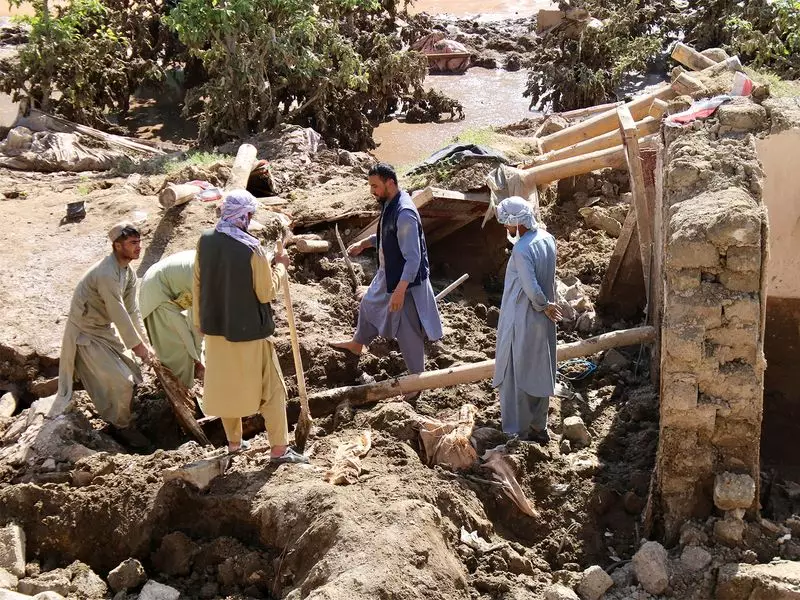
Beyond the human toll, the floods caused extensive material damage. Preliminary assessments indicate that 50 residential houses were completely destroyed by the force of the water. Furthermore, large tracts of agricultural land were submerged, and critical infrastructure, including roads and bridges, suffered severe damage.
This destruction disrupts daily life, hampers relief efforts, and threatens the livelihoods of local populations who depend on farming. The loss of homes has also created an immediate humanitarian need for shelter and basic necessities for the displaced families.
A Recurring Threat in a Vulnerable Region
Afghanistan is highly susceptible to natural disasters like floods, earthquakes, and droughts. Its rugged terrain, combined with factors like deforestation and underdeveloped infrastructure, amplifies the impact of heavy rainfall. Flash floods are a recurring seasonal threat, often causing loss of life and eroding years of development in poor, rural communities.
The recent floods underscore the ongoing challenges faced by Afghanistan, which is already grappling with a severe economic crisis. Disaster response capabilities are often stretched thin, making pre-emptive warnings and community preparedness even more critical. The event highlights the urgent need for robust disaster management planning and climate resilience strategies in the conflict-affected nation.
While the immediate focus remains on search, rescue, and providing aid to the affected families, the long-term pattern of such disasters calls for sustained national and international attention to mitigate future risks.