The Solid Waste Management (SWM) Rules 2026 have brought renewed hope for the rejuvenation of the Ghaggar river in Panchkula. The rules, notified by the central government in January and effective from April 1, place a statutory responsibility on urban local bodies to prevent solid waste from entering water bodies and ensure their regular cleaning. This clarity has ended years of confusion over departmental responsibilities, which had left the river polluted.
New Rules Bring Accountability
The new norms require municipal corporations to map ingress points of solid waste into water bodies and install barriers to prevent dumping. They also mandate scheduled cleaning of surface water bodies and drains to remove floating waste. Earlier, the responsibility was shared between the Haryana Shehri Vikas Pradhikaran (HSVP), the municipal corporation (MC), and the irrigation department, leading to frequent disputes over jurisdiction. With the latest rules, accountability now rests squarely with the corporation.
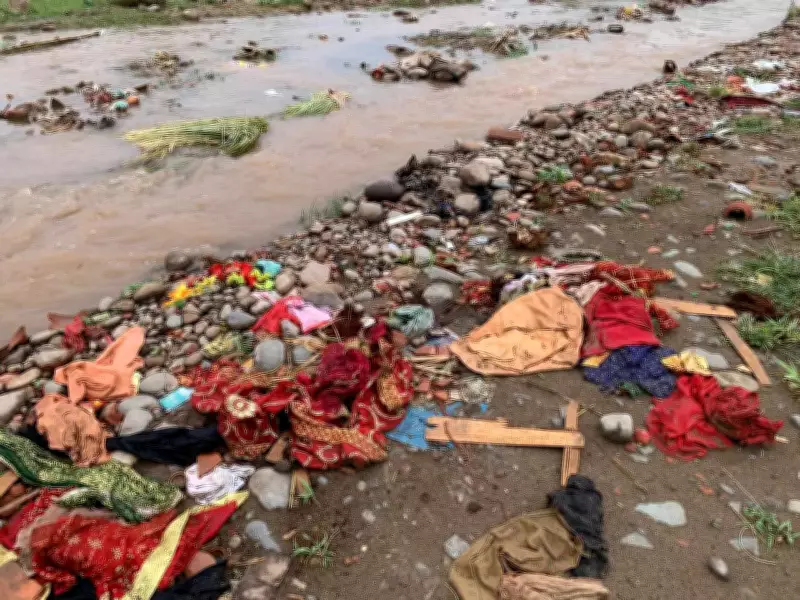
Despite this clarity, the Panchkula MC is yet to announce a comprehensive plan. Environmentalists emphasize that the corporation is under a statutory obligation to enforce a "Zero waste to water body" policy from April 1, 2026. The stretch from Beer Ghaggar village to Sector 28 remains critically degraded due to illegal dumping of construction debris and unsegregated municipal waste.

Activists Demand Action
Tapasya Sharma, co-founder of the Save River Ghaggar campaign, urged the MC to map entry points at Beer Ghaggar village and the Sector 25–28 boundary. She called for bollards and heavy-duty fencing to block tractor-trolleys and trucks that facilitate illegal dumping. Mohit Gupta, another co-founder, stressed that silt and debris must be stored in covered facilities instead of being pushed into the riverbed. He demanded that the Beer Ghaggar to Sector 28 stretch be declared a high-sensitivity no-dumping zone. Prominent boards detailing penalty rates, digital patrolling, and public audits were also recommended.
Activists emphasized that the Ghaggar is the lifeline of the Tricity. They said the SWM Rules 2026 provide the legal authority needed to move from advisory cleaning to mandatory protection. For now, however, the civic body has not made any plan public, leaving residents and campaigners waiting for concrete action.