

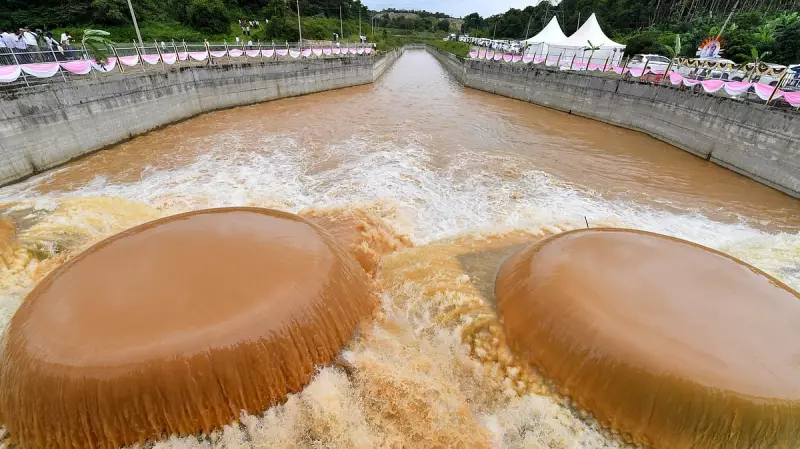
Yettinahole Project: Institute to Study Wildlife Management Strategies
The Yettinahole project in Karnataka is set to gain a dedicated institute focused on wildlife management, marking a significant step in balancing infrastructure development with environmental conservation. This initiative aims to address ecological concerns through a structured approach that includes preventive, mitigation, and other essential measures.
Framework and Implementation in Hassan and Tumakuru
According to the framework approved by the forest department, the plan will be implemented in the Hassan and Tumakuru divisions. These areas have been identified as critical zones where wildlife management is paramount to ensure minimal disruption to local ecosystems. The measures are designed to:
- Prevent potential conflicts between human activities and wildlife habitats.
- Mitigate any adverse impacts on biodiversity through scientifically backed strategies.
- Enhance conservation efforts by integrating modern management techniques.
The institute's role will involve conducting in-depth studies to tailor these measures to the specific needs of the region, ensuring that the Yettinahole project proceeds sustainably.

Significance for Environmental Conservation
This move underscores a growing emphasis on incorporating wildlife management into large-scale projects across India. By establishing an institute, authorities aim to foster long-term research and monitoring, which could serve as a model for similar initiatives nationwide. The focus on Hassan and Tumakuru highlights the importance of protecting these biodiverse areas while supporting regional development goals.
Overall, the Yettinahole project's new institute represents a proactive approach to environmental stewardship, aligning with broader efforts to harmonize progress with nature preservation in Karnataka.






