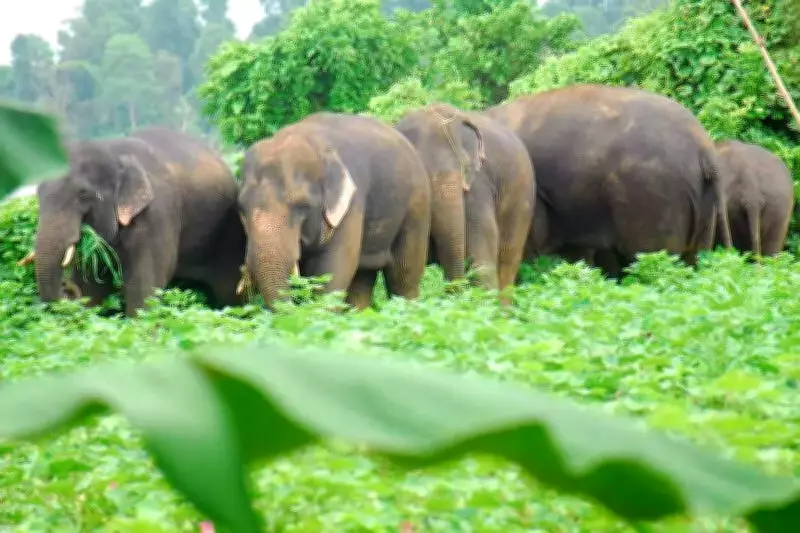
Unusual Elephant Movement: Two Wild Elephants Stray 300 km into Rewa Forest Circle
In a rare and significant wildlife event, two wild elephants, one of which is radio-collared, have strayed unusually into the Rewa forest circle in Madhya Pradesh. The elephants traveled an estimated 250-300 kilometers from the Bandhavgarh National Park landscape, marking a deviation from the typical elephant movement routes that usually see herds entering eastern Madhya Pradesh from Chhattisgarh.
Current Location and Monitoring Efforts
Forest officials report that the pair is currently moving within a 10-kilometer radius in the Churhat range of Sidhi district. They are being closely monitored by forest teams to ensure safety for both the animals and local communities. The elephants' passage through Satna, Sidhi, and Mauganj divisions has triggered panic among villagers, although no casualties or property loss have been reported so far.
Chief Conservator of Forests (Rewa circle) Rajesh Rai provided detailed insights into the situation. He stated that the two elephants entered the Rewa circle around February 15 after crossing a dam near Bandhavgarh. Their movement took them through Satna and Sidhi divisions before heading towards Mauganj and Hanumana near the Uttar Pradesh border, raising concerns that they might stray into densely populated areas.

"They eventually turned back and are now in the Churhat area of Sidhi. Both elephants are identified as part of the Bandhavgarh population and are under continuous monitoring by forest teams," Rai told reporters.
Historical Context and Unusual Nature of the Movement
Eastern Madhya Pradesh currently hosts two established elephant groups that began entering the state from Chhattisgarh around 2015-16. These include:
- A larger herd that has settled in Bandhavgarh forests.
- A smaller herd of approximately 10-12 elephants that typically resides in Sanjay-Dubri National Park.
However, the current movement is considered highly unusual. Elephants generally enter the region through established routes such as Anuppur-Shahdol or Singrauli-Sidhi. Rai emphasized that this is the first instance since elephants began arriving in the region that two individuals from Bandhavgarh have traveled such a long distance through this specific route.
Management Strategy and Public Safety Measures
Forest teams have been instructed not to chase the elephants, as this could lead to dangerous situations. Rai explained, "When people panic and try to drive elephants away, the animals often take wrong turns. Our teams are monitoring them and villagers are being advised to keep a safe distance."
To address potential issues, compensation provisions exist for crop damage caused by elephants. However, preventing panic among local communities is deemed crucial to avoid casualties and ensure the safe passage of the animals back to their natural habitat.
The forest department's proactive monitoring and community engagement efforts aim to balance wildlife conservation with public safety, highlighting the challenges of managing human-elephant interactions in changing ecological landscapes.