The enchanting symphony of birdsong that greets the early morning is a universal pleasure. But have you ever wondered if all birds participate in this daily ritual, or why they sing at dawn? Fascinating new research conducted in the mountainous terrains of South Africa provides compelling answers, revealing that not all birds are early risers, especially when the mercury drops.
The Reluctant Singers of the Highlands
A team of soundscape ecologists working in South Africa's Golden Gate Highlands National Park has made a significant discovery. Their study, led by researcher Mosikidi Toka, found that three species of melodic African warbler birds significantly delay their customary dawn songs during cold weather. Toka, who is completing a PhD on natural habitat sounds, used automated audio recorders to capture birdsong and analyse the impact of freezing temperatures on avian behaviour.
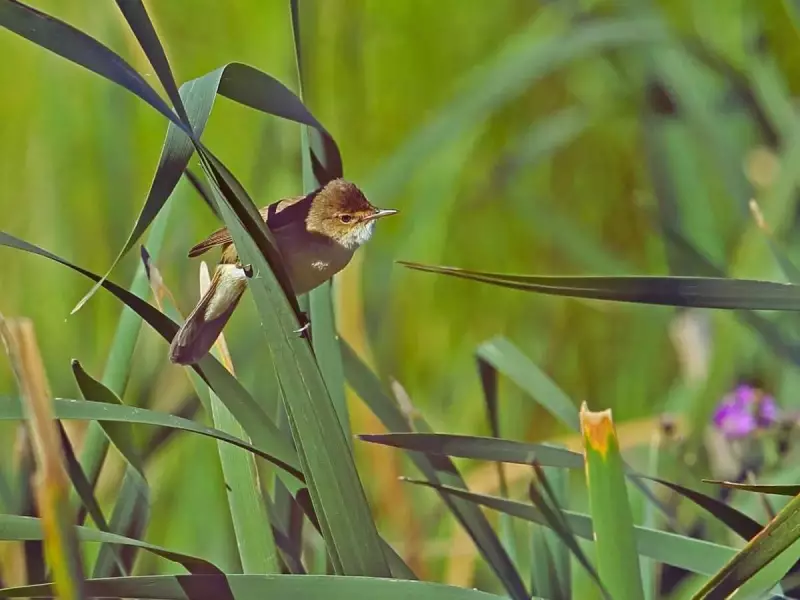
The research focused on three closely related songbirds native to southern Africa's wetlands, including high-altitude areas. The Little Rush Warbler (Bradypterus baboecala), a brown bird with pale upper parts, skulks in thick swamp vegetation. The African Yellow Warbler (Iduna natalensis) sports a brown body with distinctive yellow underparts and rump. The Lesser Swamp Warbler (Acrocephalus gracilirostris) is recognised by its warm brown plumage and snowy white underbelly, often seen swinging on tall reeds. These insect-eating birds are widespread and are key contributors to the dawn chorus during the breeding season.

The scientists chose the Golden Gate Highlands National Park for its extreme conditions. As a high-elevation park within the Drakensberg range, bordering South Africa and Lesotho, it experiences some of the coldest winters in southern Africa, making it an ideal natural laboratory.
Decoding the Dawn Chorus: More Than Just a Morning Tune
The dawn chorus is a biological phenomenon where a community of songbirds sings intensively around sunrise, primarily in the breeding season. In the southern hemisphere, this typically occurs from September to February. While birds sing daily for various reasons, the chorus peaks at dawn during breeding season as males sing to attract mates. Outside this period, singing serves to defend territory or maintain social contact.
During the chorus, males are the primary performers, aiming to impress females who may call back. The singing intensity is highest before sunrise and tapers off as the morning advances. Each species tries to stand out by singing at specific times or frequencies, avoiding a cacophonic competition for "airtime." To the intended audience—the females—this complex soundscape is a critical tool for selecting the right mate.
How Weather and Moonlight Conduct the Avian Orchestra
The research aimed to understand how environmental factors like temperature, humidity, wind, rain, and moonlight influence the dawn singing in a high mountain wetland. This knowledge is crucial for monitoring mountain wildlife and tailoring conservation strategies amidst climate change. These wetlands act as early warning systems; studies indicate warming climates are already shrinking them, risking local extinction for many species.
By focusing on closely related warbler species, the team ensured that differences in singing behaviour were likely due to weather, not fundamental biological disparities. They deployed long-range audio recorders to capture the entire chorus and used the software Kaleidoscope Pro to isolate specific bird calls from the soundscape. Daily weather data from a nearby station and online moon phase records were correlated with the birds' singing patterns.
The findings were revealing. As expected, all three warbler species began singing earlier on warmer days and later on colder days. However, other factors had varied effects:
Humidity: Higher humidity caused the African Yellow Warbler to sing earlier, but delayed the Lesser Swamp Warbler. It had no effect on the Little Rush Warbler.
Wind: Windier mornings prompted the Lesser Swamp Warbler and Little Rush Warbler to start earlier, but did not affect the African Yellow Warbler.

Rainfall: Rain delayed the chorus for the African Yellow Warbler and Little Rush Warbler. Surprisingly, the Lesser Swamp Warbler started earlier on rainy days.
The Moon: Following brighter nights near a full moon, the Lesser Swamp Warbler and Little Rush Warbler sang later the next morning. The African Yellow Warbler's schedule was unaffected by the moon's phases.
Additionally, for all species, singing started earliest in the mid-breeding season and became progressively later as the season ended.
A Vital Barometer for Conservation
This study holds immense value for conservation science. It functions like a weather app for birds, using environmental data to predict singing and breeding behaviour. This allows conservationists to protect species more effectively.
The research enhances our understanding of how species adapt to harsh, changing climates and underscores how everyday weather influences wildlife. It highlights the vulnerability of wetland ecosystems and songbirds to environmental shifts, a threat compounded by increasing human activity even in protected areas like Golden Gate Highlands.
Ultimately, the study champions the value of soundscapes—the collective sounds of nature. These are not just for human enjoyment but are critical tools for understanding ecosystem health and guiding conservation efforts, proving that listening closely to nature's melodies can reveal profound truths about our changing world.