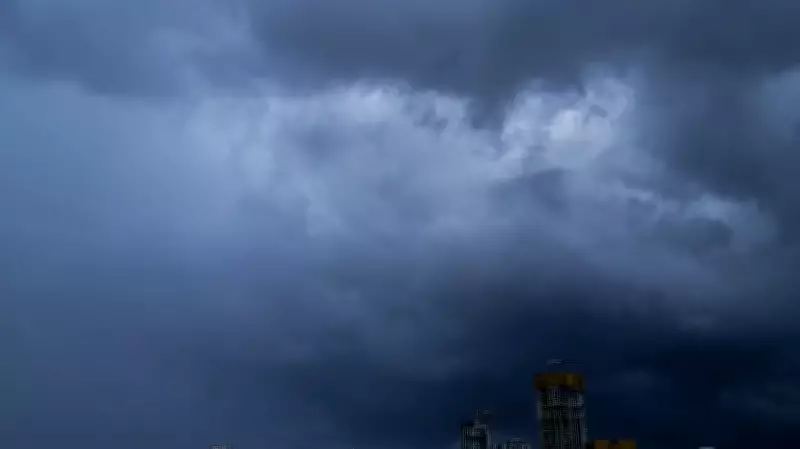
WHO Sounds Alarm on Toxic 'Black Rain' Crisis in Iran
The World Health Organization (WHO) has raised urgent concerns about a dangerous environmental phenomenon known as 'black rain' affecting parts of Iran. This alarming event, characterized by dark precipitation laden with pollutants, poses significant and immediate health risks to the local population. The WHO's warning highlights the critical need for swift public health interventions and protective measures to mitigate potential harm.
Understanding the 'Black Rain' Phenomenon
The term 'black rain' refers to rainfall that appears dark or murky due to high concentrations of contaminants. In Iran, this phenomenon is primarily linked to a combination of industrial emissions and intense dust storms. These storms lift fine particulate matter and toxic substances from polluted areas, which then mix with atmospheric moisture and fall as contaminated precipitation. The resulting black rain can deposit harmful particles on surfaces, crops, and water sources, creating widespread environmental and health hazards.
Severe Health Implications Outlined by WHO
The WHO has detailed several serious health risks associated with exposure to black rain. Respiratory issues are a major concern, as inhaling the polluted droplets can lead to conditions such as asthma, bronchitis, and other lung diseases. Skin irritations and allergies may also occur upon contact with the toxic rain. Furthermore, if the contaminated water infiltrates drinking supplies or agricultural products, it could cause gastrointestinal problems and long-term poisoning. Vulnerable groups, including children, the elderly, and individuals with pre-existing health conditions, are at particularly high risk.

- Respiratory disorders like asthma and chronic obstructive pulmonary disease (COPD)
- Skin rashes, dermatitis, and allergic reactions
- Potential contamination of food and water sources leading to digestive ailments
- Increased susceptibility to infections due to weakened immune responses
Urgent Recommendations and Public Advisory
In response to this crisis, the WHO has issued a series of urgent recommendations to protect public health. Authorities are advised to monitor air and water quality closely and provide real-time updates to the public. Residents in affected areas should avoid direct exposure to the rain by staying indoors during precipitation events and using protective gear if outdoor activities are necessary. It is also crucial to ensure safe drinking water by using filtered or bottled sources and to wash fruits and vegetables thoroughly to remove any contaminants.
Precautionary Measures Advised:- Limit outdoor activities during black rain episodes and use masks or coverings
- Seek medical attention promptly if symptoms like coughing, skin irritation, or nausea appear
- Follow official health advisories and updates from local and international agencies
- Support community efforts to reduce pollution sources and improve environmental management
Broader Environmental and Regional Context
This incident underscores the growing environmental challenges in the Middle East, where factors like industrial expansion, climate change, and desertification contribute to pollution crises. The black rain in Iran is not an isolated event but part of a larger pattern of environmental degradation that requires coordinated regional and global responses. The WHO's warning serves as a critical reminder of the interconnectedness of environmental health and human well-being, urging stakeholders to prioritize sustainable practices and robust public health infrastructure.
As the situation develops, continued vigilance and international cooperation will be essential to address the root causes and protect communities from such hazardous phenomena. The WHO's alert aims to galvanize action and raise awareness, emphasizing that proactive measures today can prevent more severe health consequences tomorrow.