Western Ghats Under Siege: Warnings Ignored as Ecological Crisis Deepens
The Western Ghats, a UNESCO World Heritage Site and one of India's most vital ecological regions, is facing an escalating crisis as repeated warnings from environmental experts and scientists are being systematically ignored. This biodiverse hotspot, spanning across Karnataka and other states, is under severe threat from rampant deforestation, unchecked development, and climate change impacts, raising alarms about irreversible damage to its fragile ecosystems.
Ignored Warnings and Mounting Threats
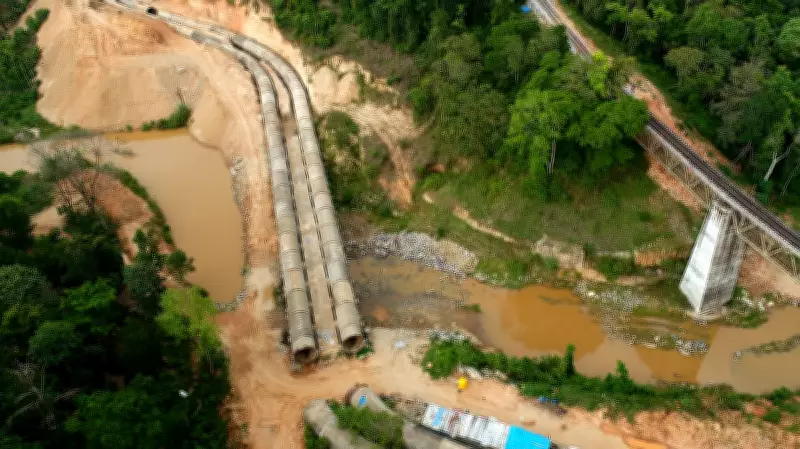
For years, numerous reports and studies have highlighted the deteriorating condition of the Western Ghats, yet decisive action remains elusive. The region, known for its rich biodiversity including endemic species and critical water sources, is witnessing accelerated habitat destruction due to illegal mining, unsustainable agriculture, and infrastructure projects. Experts warn that the continued neglect of these warnings could lead to catastrophic consequences, such as loss of unique flora and fauna, disrupted water cycles, and increased vulnerability to natural disasters like landslides and floods.
Impact on Karnataka and Beyond
In Karnataka, the Western Ghats play a crucial role in supporting local communities, agriculture, and tourism, but the ongoing degradation threatens these livelihoods. Deforestation and land-use changes are exacerbating soil erosion, reducing water retention, and contributing to climate change effects, such as altered rainfall patterns. The state government and authorities have been criticized for failing to implement robust conservation measures, despite clear evidence of the environmental toll. This negligence not only affects Karnataka but also has broader implications for the entire peninsular India, as the Ghats influence weather systems and water availability across regions.

Call for Urgent Action and Sustainable Solutions
Environmentalists and activists are urging immediate intervention to protect the Western Ghats, emphasizing the need for:
- Stricter enforcement of environmental laws to curb illegal activities and promote sustainable practices.
- Enhanced monitoring and research to better understand and mitigate the impacts of human activities on the ecosystem.
- Community involvement and awareness programs to foster conservation efforts and reduce dependency on destructive practices.
- Policy reforms that prioritize ecological balance over short-term economic gains, ensuring long-term sustainability.
The Western Ghats' plight serves as a stark reminder of the consequences of ignoring scientific warnings. As the crisis deepens, it is imperative for stakeholders, including governments, NGOs, and the public, to collaborate on preserving this invaluable natural heritage for future generations. Without swift and decisive action, the region risks irreversible ecological collapse, with far-reaching effects on biodiversity, climate, and human well-being.